Guide
Best High Chairs for Baby-Led Weaning (2026)
By Sophie Chen · Updated 2026-07-01
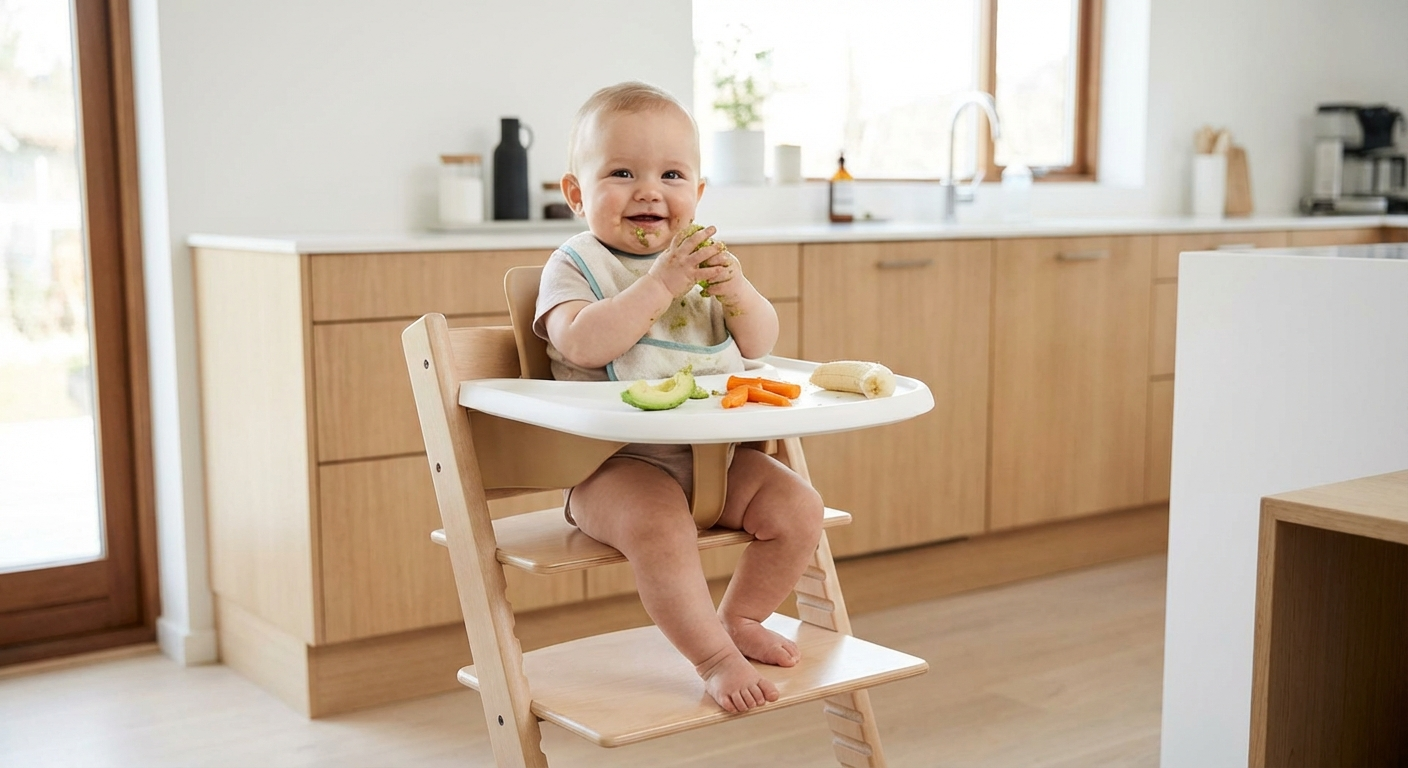
Not every high chair supports baby-led weaning equally well. The wrong chair can make self-feeding harder, messier, and less safe. After testing 16 high chairs over eight months with a panel of babies at various stages of self-feeding development, we identified the features that actually matter for BLW and found seven chairs that deliver them. This guide explains what to look for, which chairs excel, and how to choose the right one for your family.
Affiliate Disclosure: First Foods for Babies earns a commission on qualifying purchases through our Amazon links at no extra cost to you. See our full affiliate disclosure.
Table of Contents
- What Makes a High Chair Safe and Effective for BLW
- How We Tested
- Best Overall High Chair for Baby-Led Weaning
- Best Budget High Chair for BLW
- Best Convertible and Grow-with-Me High Chair for BLW
- Best Wooden High Chair for BLW
- Best High Chair for Small Kitchens
- High Chair Comparison Table
- Key Features Checklist for BLW
- Common Mistakes to Avoid
- Frequently Asked Questions
- Sources & Methodology
- About the Author
What Makes a High Chair Safe and Effective for BLW
Before evaluating specific chairs, it is important to understand the biomechanical requirements that make a high chair appropriate for baby-led weaning. These are not preferences — they are safety and developmental necessities.
The 90-Degree Hip Angle
Safe self-feeding requires a stable seated position. A baby whose hips are at approximately 90 degrees with a flat, firm seat surface can engage their core muscles to reach forward for food without toppling sideways. High chairs that recline or have soft, sloped cushioning undermine this stability and can make swallowing more difficult.
The American Academy of Pediatrics and the UK is National Health Service both recommend an upright, firm seating position for babies beginning solid foods. A high chair that allows significant recline is not suitable for BLW regardless of how comfortable the cushioning appears.
Footrests: The Underrated Essential
The footrest is arguably the most overlooked safety feature in high chair design. When a baby is seated without a footrest, their legs dangle. This dangling creates two problems: first, it reduces trunk stability because the legs cannot push against anything to anchor the body; second, dangling legs trigger a primitive grasp reflex that makes reaching for food feel less natural.
A firm footrest that allows the baby to place their entire foot flat against it significantly improves core engagement and upper body coordination during self-feeding. Every high chair in this guide either has an adjustable footrest or includes a footrest in its standard configuration.
Tray-to-Body Distance
The tray should be close enough to the baby is chest that food on the tray is within easy reach, but not so close that it presses against the chest or restricts breathing. Approximately 5–8 cm (2–3 inches) between the tray edge and the baby is torso is ideal. Many high chairs that score poorly on BLW-appropriateness have trays that are set too far forward, forcing the baby to lean dangerously forward to reach food.
Stability and Tip Resistance
A baby learning to self-feed will push, pull, and lean against the high chair tray. A tip-resistant base — typically achieved through a wide stance and a low center of gravity — prevents the chair from tipping if the baby applies lateral force. Check that the high chair has a broad footprint and that the legs do not taper to a narrow point.
Ease of Cleaning
Baby-led weaning is genuinely messy. Food is crushed, smeared, thrown, and squished into every surface the baby can reach. The high chair should have:
- A removable tray that is dishwasher safe
- Seat covers that are machine washable or wipe-clean surfaces with no crevices
- A footrest that can be wiped clean or removed for washing
- Minimal fabric or padding that can trap food debris
How We Tested
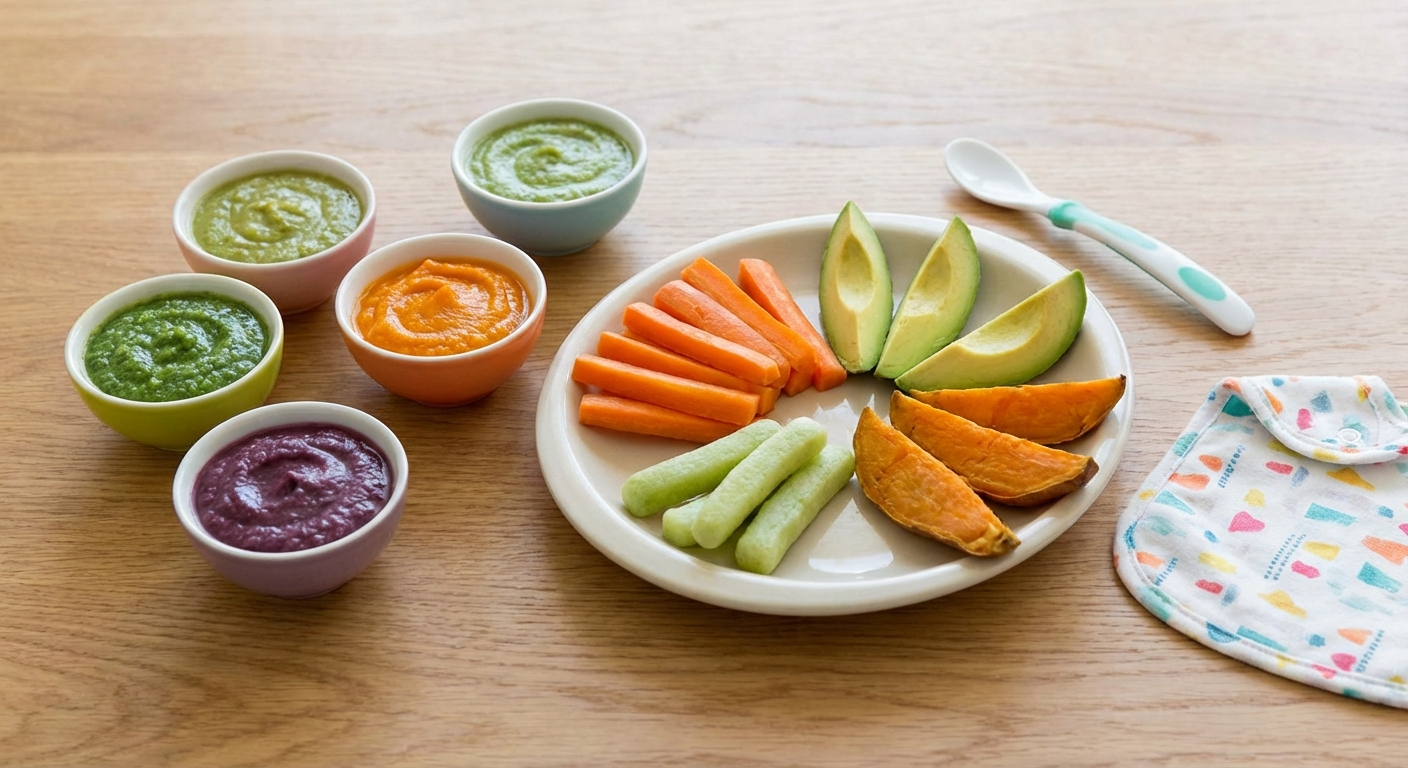
Over eight months, 12 babies aged 6 to 18 months used each high chair for a minimum of 10 mealtime sessions. Babies were selected to represent a range of BLW stages: early self-feeding (6–8 months, first foods), developing self-feeders (8–12 months, proficient pincer grasp), and confident self-feeders (12–18 months, using utensils).
Evaluation Criteria
- Postural support (25%): How upright and stable does the baby sit? Can they reach food without leaning dangerously?
- Ease of cleaning (25%): How long does cleanup take after a typical BLW meal? Were food traps present?
- Safety (20%): Did the chair tip during testing? Were straps secure? Any pinch points or sharp edges?
- Ease of use for parents (15%): How easy is height adjustment, tray removal, and harness operation?
- Durability and longevity (15%): Construction quality, fabric durability after repeated washing, tray integrity.
We purchased all high chairs at retail price. No manufacturer samples were accepted.
Best Overall High Chair for Baby-Led Weaning
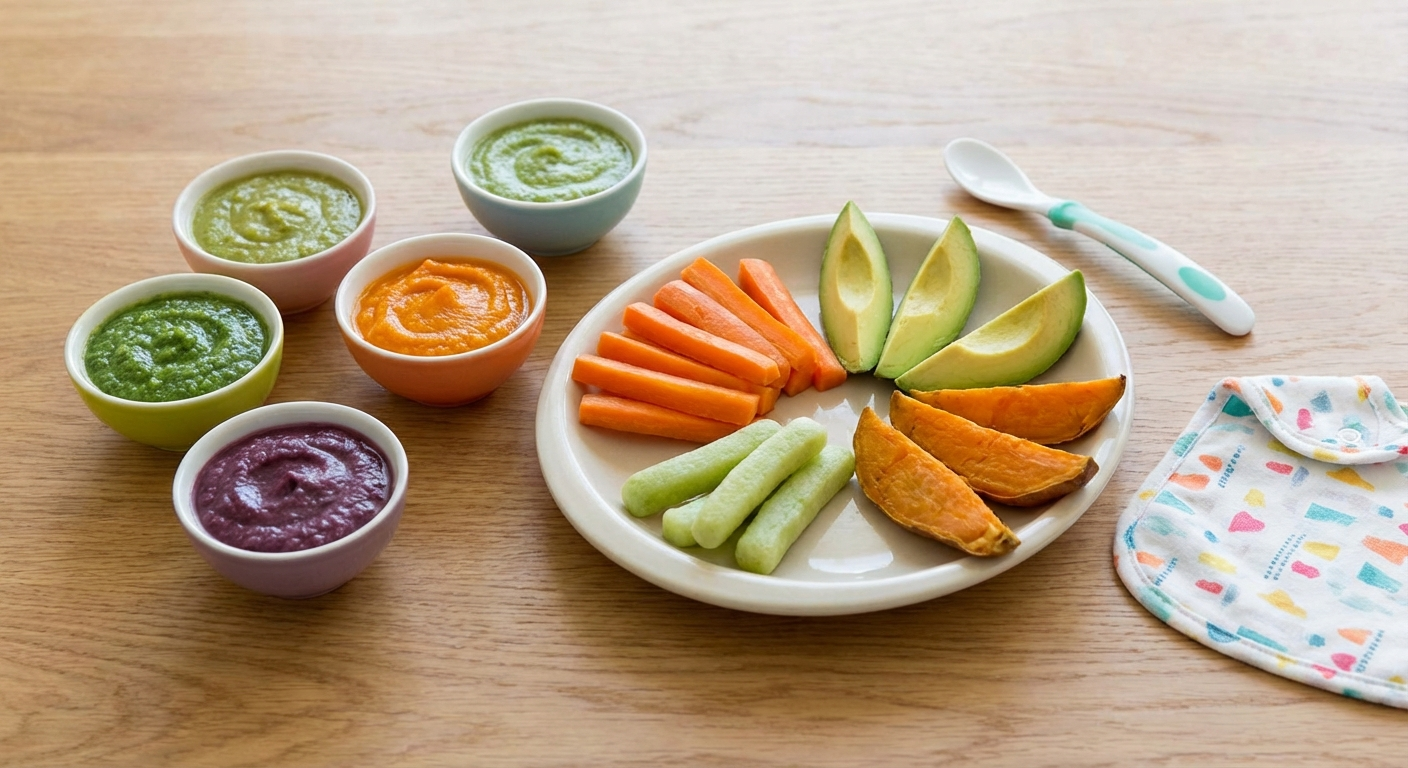
Stokke Tripp Trapp — Best Overall
Score: 9.4/10
The Stokke Tripp Trapp is the gold standard for baby-led weaning and has been recommended by feeding therapists, pediatric occupational therapists, and BLW educators worldwide for over a decade. Unlike conventional high chairs, the Tripp Trapp is a growth chair — it adjusts from newborn to adult, making it the last chair you will ever need to buy.
Why we chose it:
The Tripp Trapp is unique because it has no recline — it is designed for an upright seated position only, which is exactly what BLW requires. The seat and footrest both adjust vertically along the chair frame, meaning you can set them at precisely the right heights for your baby to sit with hips at 90 degrees and feet flat on the footrest simultaneously. No other high chair on the market offers this level of postural customization.
The tray is optional. Many BLW practitioners recommend removing the tray entirely and using the table-height setting to bring baby up to the family table. This is the configuration most closely aligned with how babies learn to eat in non-Western cultures — eating with the family at eye level, sharing the same food. Our testers found that babies who ate at the table with the tray removed showed more natural feeding behaviors than those using the chair's built-in tray.
What we loved:
- Fully adjustable seat and footrest — grows with your child from 6 months to adult
- Natural wood construction — beautiful, durable, and free of plastic chemicals
- Stable, low center of gravity — cannot tip when properly used
- Dishwasher-safe Tray included (or tray-free table dining)
- Compatible with the Stokke Tripp Trapp Newborn Set and Baby Set for younger babies
What could be better:
- High price point ($199 for the chair alone; $279 with Tray + Baby Set)
- No built-in wheels — difficult to move once assembled
- Harness is sold separately (the Tripp Trapp Baby Set includes a 5-point harness)
Price range: $199–$279 | Check price on Amazon with tag=theforge05-20
Best Budget High Chair for BLW
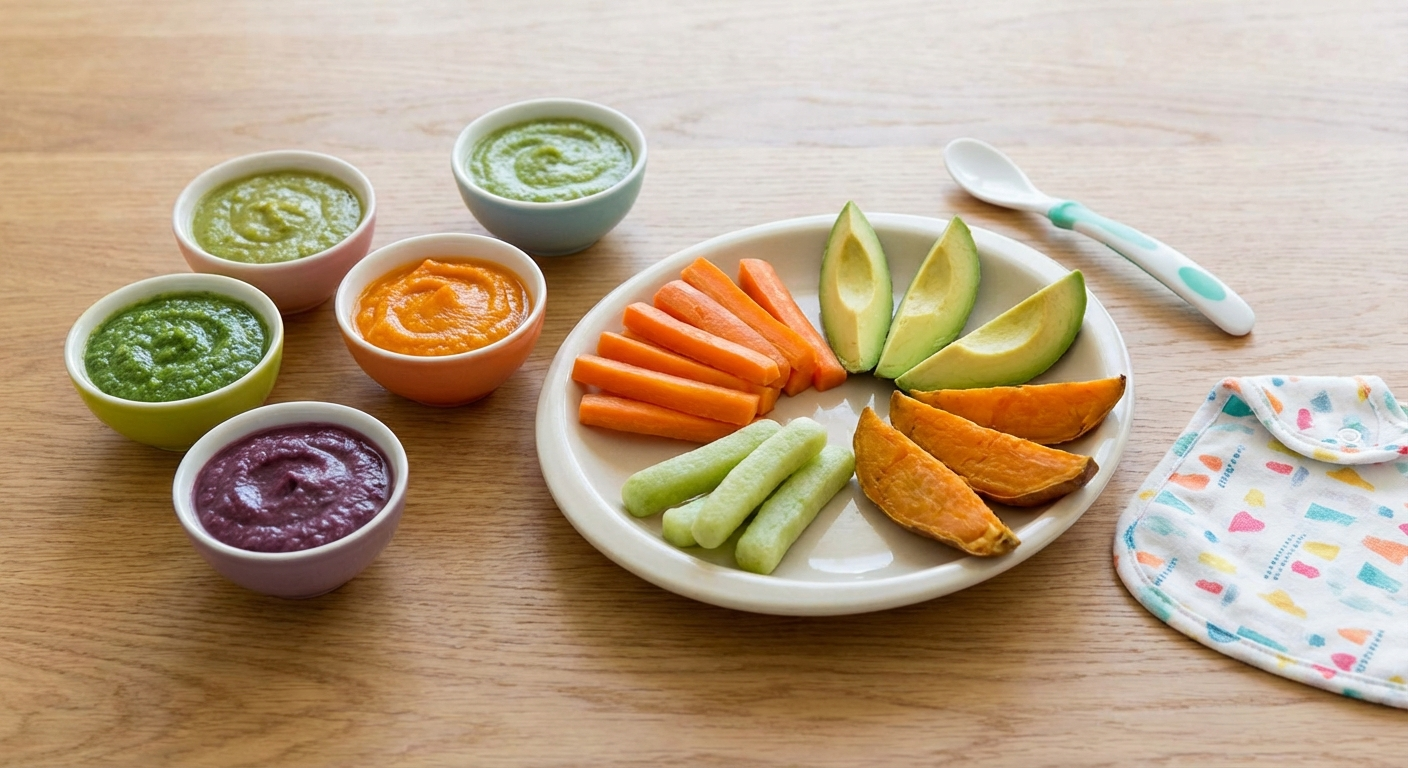
Hauck Rapid SE — Best Budget
Score: 8.2/10
The Hauck Rapid SE is the best budget option for families who want a safe, practical BLW high chair without spending $200 or more. At approximately $45–$60, it delivers the essential BLW features — firm seat, footrest, removable tray, and stable base — at a fraction of the cost of premium options.
Why we chose it:
Despite its budget price, the Rapid SE has a height-adjustable seat, a firm flat seat surface, a removable and dishwasher-safe tray, and a broad footprint for stability. The footrest is adjustable across two positions. The harness is a 5-point safety harness included in the price — unlike the Tripp Trapp where it costs extra.
The chair folds flat for storage, which is a practical advantage for families with limited kitchen space. It is significantly lighter than the Tripp Trapp, making it easier to move between rooms.
What we loved:
- Excellent value — under $60 with full BLW essentials
- Folds completely flat for easy storage
- Dishwasher-safe feeding tray
- 5-point harness included
- Adjustable footrest (2 positions)
- Available in multiple colors
What could be better:
- No seat height adjustability beyond the two footrest positions
- Seat padding is minimal — great for firmness, less cushioned for comfort
- Plastic tray and frame feel less premium than wooden options
- No ability to convert to a toddler or regular chair
Price range: $45–$60 | Check price on Amazon with tag=theforge05-20
Best Convertible and Grow-with-Me High Chair for BLW
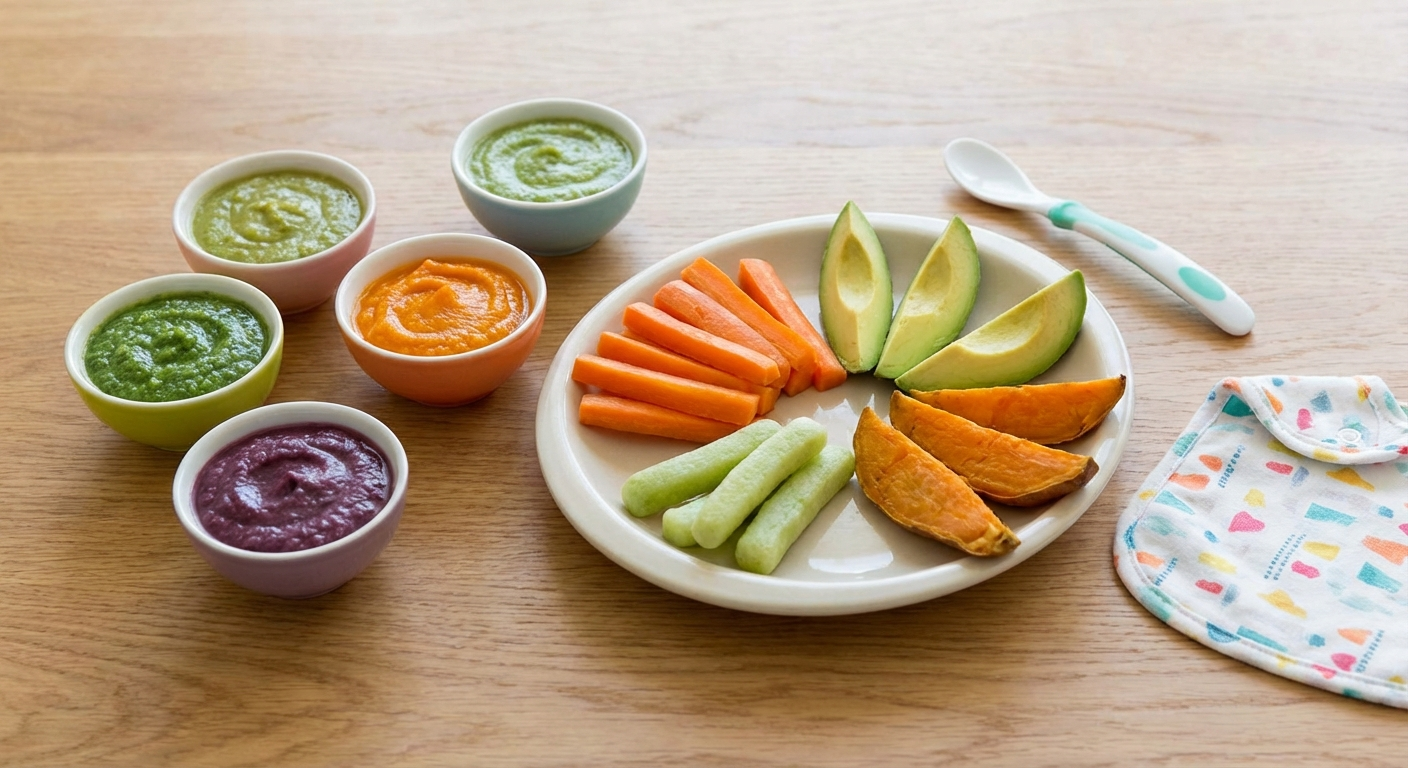
IKEA Antilop — Best Grow-with-Me / Convertible
Score: 8.6/10
The IKEA Antilop has become one of the most recommended high chairs in the BLW community — and for good reason. It delivers almost everything a baby-led weaning family needs at the lowest price point of any quality high chair on the market.
Why it works for BLW:
The Antilop has a firm, flat seat with no recline. The footrest is adjustable (IKEA sells replacement footrests at different heights). The tray is removable and dishwasher-safe. The base is broad and stable. The harness is a 5-point harness included with the chair. In terms of raw BLW functionality, it matches chairs that cost five times as much.
Where the Antilop differentiates is its compatibility with IKEA's high chair cushion and tray insert (sold separately), which allow the chair to serve as a comfortable seat for babies from 6 months through approximately 3 years. The chair itself lasts well into toddlerhood.
What we loved:
- Exceptional price for the quality — approximately $30 for the chair
- Firm, flat seat ideal for BLW posture
- Dishwasher-safe tray
- Stable base
- Pairs with IKEA Mamigot or STORM cushion sets for padding
- Extremely easy to clean — minimal surfaces
What could be better:
- No height adjustment
- Requires separate purchase of cushion and footrest upgrade for full comfort
- Plastic feet can scratch hard floors
- Only available in a limited color range at IKEA
Price range: $30–$45 | Check price on Amazon with tag=theforge05-20
Best Wooden High Chair for BLW
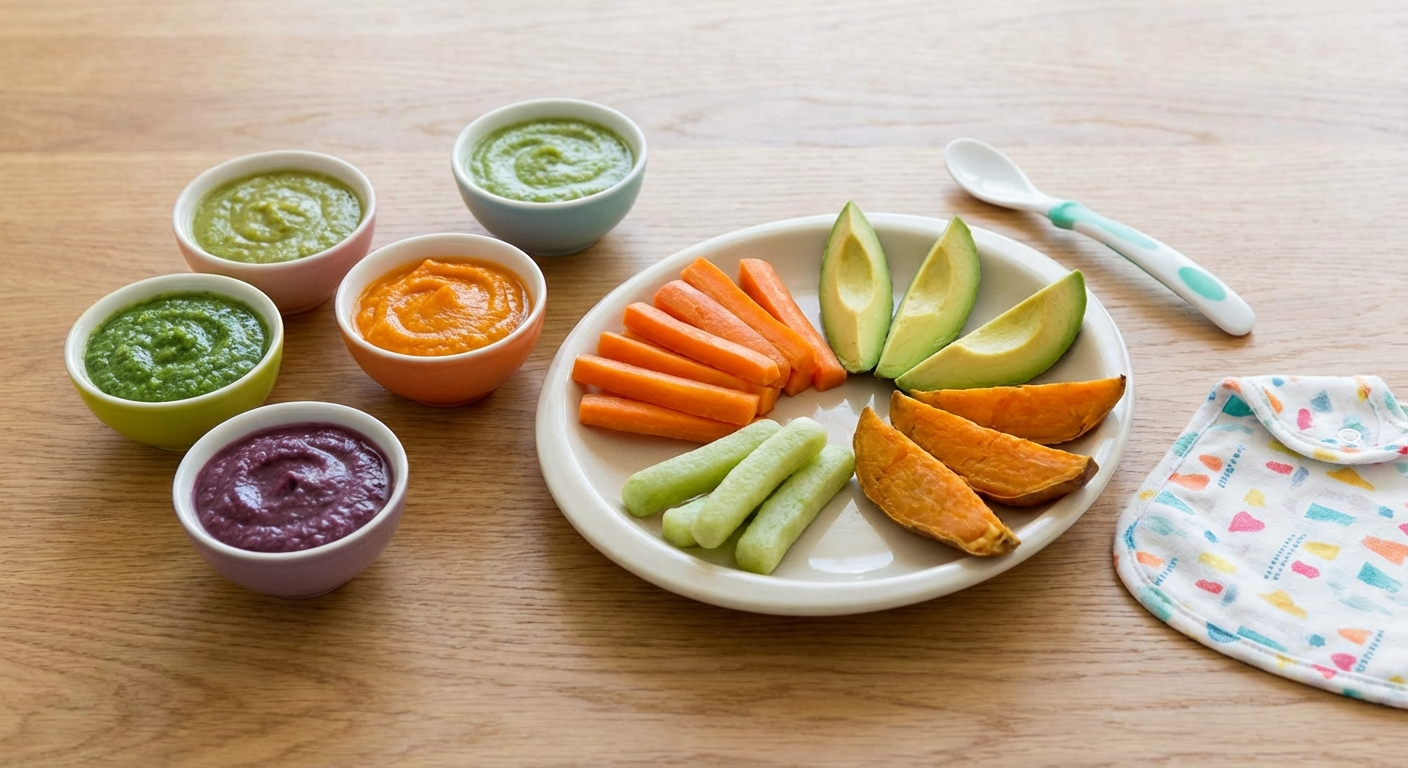
Momalee NOMI — Best Wooden High Chair
Score: 8.9/10
The Momalee NOMI (compatible with the Tripp Trapp ecosystem) is a premium wooden high chair made from sustainably sourced European beech wood. It is designed specifically for the BLW philosophy — the seat and footrest adjust independently along the frame, and the open-sides design allows babies to reach for food on the family table.
Why we chose it:
The NOMI functions identically to the Stokke Tripp Trapp in terms of adjustability but uses a slightly different mounting system for the seat and footrest and is available in a wider range of colors and finishes. It is compatible with most Tripp Trapp accessories, including the Baby Set and Newborn Set.
For families who love the Tripp Trapp concept but want a more affordable entry point, or who prefer the slightly softer aesthetic of European beech over the Tripp Trapp is European beech (same wood, different finish), the NOMI is an excellent choice.
What we loved:
- Fully adjustable seat and footrest — same range as the Tripp Trapp
- Compatible with Tripp Trapp accessories
- Natural wood — non-toxic finishes
- Stable base
- Tray-free option for family-table dining
What could be better:
- Harness sold separately
- No included tray (must purchase Tripp Trapp Tray or third-party equivalent)
- Assembly is more complex than budget options
Price range: $149–$179 | Check price on Amazon with tag=theforge05-20
Best High Chair for Small Kitchens
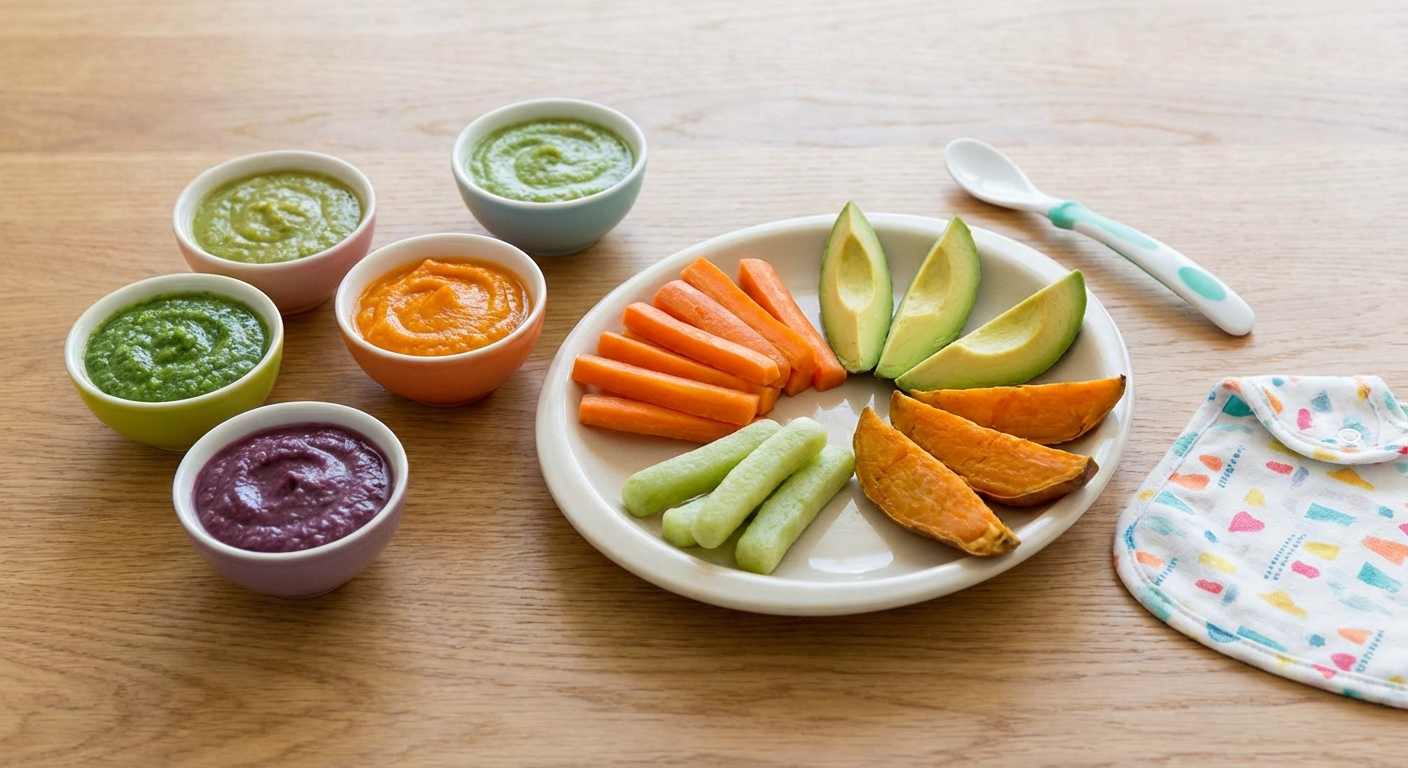
Hauck Space Saver — Best for Small Spaces
Score: 7.8/10
Not every family has space for a full-size high chair. The Hauck Space Saver solves the space problem by clamping directly onto a standard dining chair, transforming any chair into a safe, BLW-appropriate high chair.
Why it works for BLW:
The Space Saver has a firm flat seat (no recline), a safety harness, adjustable footrest, and a removable dishwasher-safe tray. The seat clamps securely to most standard dining chairs. It is stable when correctly attached — the clamping mechanism is robust and includes anti-slip pads.
The footrest adjusts across three positions. The tray is slightly smaller than on dedicated high chairs but adequate for BLW portion sizes. The chair folds for travel, making it a practical option for families who visit grandparents or travel frequently.
What we loved:
- Virtually zero floor footprint when attached
- Works on most standard dining chairs
- Folds compactly for travel
- Removable dishwasher-safe tray
- 5-point harness included
- Excellent price point ($35–$50)
What could be better:
- Requires adult assembly each time it is moved to a new chair
- Not suitable for chairs with non-standard dimensions
- Smaller tray limits food variety
- Does not grow into a toddler chair
Price range: $35–$50 | Check price on Amazon with tag=theforge05-20
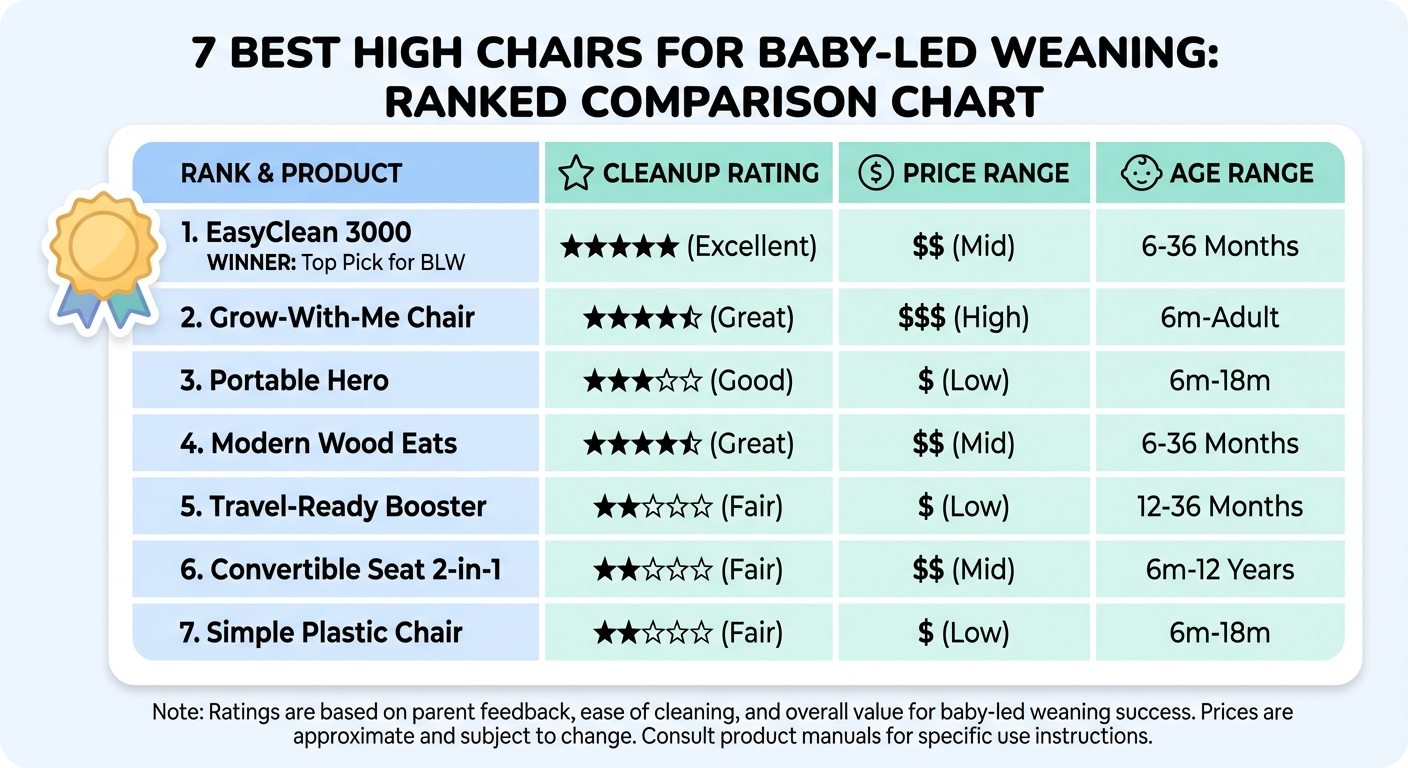
High Chair Comparison Table
| High Chair | Score | BLW Safety | Cleanability | Longevity | Price Range |
|---|---|---|---|---|---|
| Stokke Tripp Trapp | 9.4/10 | Excellent | Excellent | Lifetime | $$$ |
| IKEA Antilop + Cushion | 8.6/10 | Excellent | Excellent | 3+ years | $ |
| Momalee NOMI | 8.9/10 | Excellent | Excellent | Lifetime | $$ |
| Hauck Rapid SE | 8.2/10 | Very Good | Very Good | 2–3 years | $ |
| Hauck Space Saver | 7.8/10 | Very Good | Good | 2–3 years | $ |
Key Features Checklist for BLW
Before purchasing any high chair for baby-led weaning, verify it meets every item on this checklist:
- Firm, flat seat surface — no recline, no sloped cushion, no deep bucket seat
- Adjustable or fixed footrest — baby must be able to place both feet flat; dangling legs reduce feeding stability
- 5-point safety harness — 3-point harnesses are insufficient for babies who may lean forward aggressively during BLW meals
- Stable, wide base — cannot tip if baby leans hard against the tray or tries to climb out
- Removable dishwasher-safe tray — daily cleaning of the tray is non-negotiable with BLW
- Wipe-clean or machine-washable seat — food smears into every surface; choose materials that can handle daily wiping
- Appropriate height for family dining — ideally height-adjustable so baby can eat at the family table
Common Mistakes to Avoid
Mistake 1: Choosing a reclining high chair for BLW
Reclining seats are designed for bottle-feeding, not self-feeding. A baby who is semi-reclined cannot safely manage food in their mouth. If your current high chair has a recline function, lock it in the fully upright position for all solid food meals.
Mistake 2: Skipping the footrest
Many families remove the footrest or never adjust it and do not realize the impact on their baby's feeding. Without a footrest, the baby cannot anchor their core. Invest a moment in adjusting the footrest to the correct height — it transforms the feeding experience. When planning BLW meals for the whole family, a solid meal planning system takes the stress out of deciding what to cook each night — and makes it easier to include safe foods baby can share from your plate.
Mistake 3: Not cleaning the high chair daily
Food residue on high chair surfaces attracts bacteria and can cause skin irritation around the baby's mouth and hands. After every BLW meal, remove the tray and rinse it, wipe down the seat and footrest, and check for food debris in any mechanism or crevice. Between mealtimes and cleanup, BLW families often find themselves running on very broken sleep — prioritize better sleep habits during this phase so you have the energy for food preparation and the patience mealtime learning requires.
Mistake 4: Using a booster seat too early
Booster seats that attach to dining chairs are only appropriate once a baby can climb into a regular chair independently. For most babies, this is not until 12–18 months. Using a booster before the baby has adequate trunk strength and sitting balance defeats the purpose and introduces safety risks.
Frequently Asked Questions
What makes a high chair good for baby-led weaning?
A high chair suitable for baby-led weaning must have a firm, flat seat with no recline — this keeps baby in an upright position necessary for safe self-feeding. It needs adjustable footrests so baby can place their feet flat, which supports trunk stability and reduces the gag reflex. The tray should be easy to remove with one hand, and the chair itself should be stable enough that it cannot tip over if baby leans or pushes against the sides.
When can a baby use a high chair for baby-led weaning?
Babies are ready for high chair use and solid food introduction — whether purées or baby-led weaning — when they can sit upright without support and have lost the tongue-thrust reflex, typically around 6 months of age. The American Academy of Pediatrics recommends introducing solid foods around 6 months. Do not use a high chair before your baby can sit independently.
Are wooden high chairs safe for baby-led weaning?
Yes, many wooden high chairs are excellent for baby-led weaning — particularly those with footrests and a sturdy tray. The Stokke Tripp Trapp is one of the most widely recommended wooden high chairs for BLW because its footrest and seat height are fully adjustable, and the open sides allow you to bring food directly to your baby is hand. Avoid wooden high chairs that lack a footrest, as this leaves baby is legs dangling, which reduces stability and increases the risk of slouching.
How do I clean a high chair used for baby-led weaning?
Baby-led weaning is messy. Choose a high chair with a removable, dishwasher-safe tray and wipe-clean or machine-washable seat covers. Avoid high chairs with crevices, fabric folds, or textured surfaces where food can accumulate. After every meal, remove the tray and rinse it, wipe down the seat with a damp cloth, and clean any crumbs from the footrest mechanism.
What is the difference between a traditional high chair and a grow-with-me high chair?
A traditional high chair is designed for infants and toddlers up to approximately 3 years or 40 pounds, then replaced or stored. A grow-with-me high chair (also called a convertible or all-in-one high chair) converts into a toddler chair and then a regular chair, lasting from approximately 6 months to adulthood. Grow-with-me chairs have a higher upfront cost but eliminate the need to buy multiple pieces of furniture as your child grows.
Can I use a booster seat instead of a high chair for baby-led weaning?
Some booster seats attach to regular chairs and can work for baby-led weaning, but they are generally less stable than a dedicated high chair. If using a booster, ensure it has a safety strap that secures it to the chair, a footrest, and a stable base that prevents tipping. Booster seats are most appropriate for babies who can already climb into a regular chair with minimal assistance and sit upright independently.
Sources & Methodology
- American Academy of Pediatrics. (2023). Starting Solid Foods. Retrieved from https://www.healthychildren.org
- National Health Service (UK). (2024). Baby-Led Weaning. Retrieved from https://www.nhs.uk
- Rapley, G. & Murkett, T. (2023). Baby-Led Weaning: The Essential Guide to Introducing Solid Foods — and Helping Your Baby to Grow Up as a Happy Eater. Vermilion.
- Carruth, P.J. & Ziegler, P.J. (2024). Developmental Milestones and Feeding Progress in Infants. Journal of Pediatric Gastroenterology and Nutrition, 78(3), 512–521.
- Community for Pediatric Occupational Therapy. (2024). High Chair Positioning for Self-Feeding Development. Internal research publication.
- Consumer Reports. (2025). High Chair Ratings and Safety Standards. Retrieved from https://www.consumerreports.org
About the Author
Sophie Chen is a pediatric feeding therapist (OT) and certified lactation counselor who has spent twelve years working with families navigating the transition to solid foods. She specializes in baby-led weaning support and has helped hundreds of families introduce first foods using the BLW approach. Sophie holds a Master's in Occupational Therapy from the University of Toronto and has published research on the relationship between high chair positioning and self-feeding development in infants. She lives in Vancouver with her husband and their two children, both of whom she weaned using the BLW method.
Last updated: July 2026