Guide
Iron-Rich Foods for Babies: Why It Matters (2026)
By Dr. Sarah Mitchell, Paediatric Dietitian · Updated 2026-04-28
Last updated: April 2026
Medical Disclaimer: The information on First Foods for Babies is for educational purposes only and is not a substitute for professional medical advice, diagnosis, or treatment. Always consult your paediatrician or a qualified healthcare provider regarding your baby's nutrition and health.
Iron-Rich Foods for Babies: Why It Matters (2026)
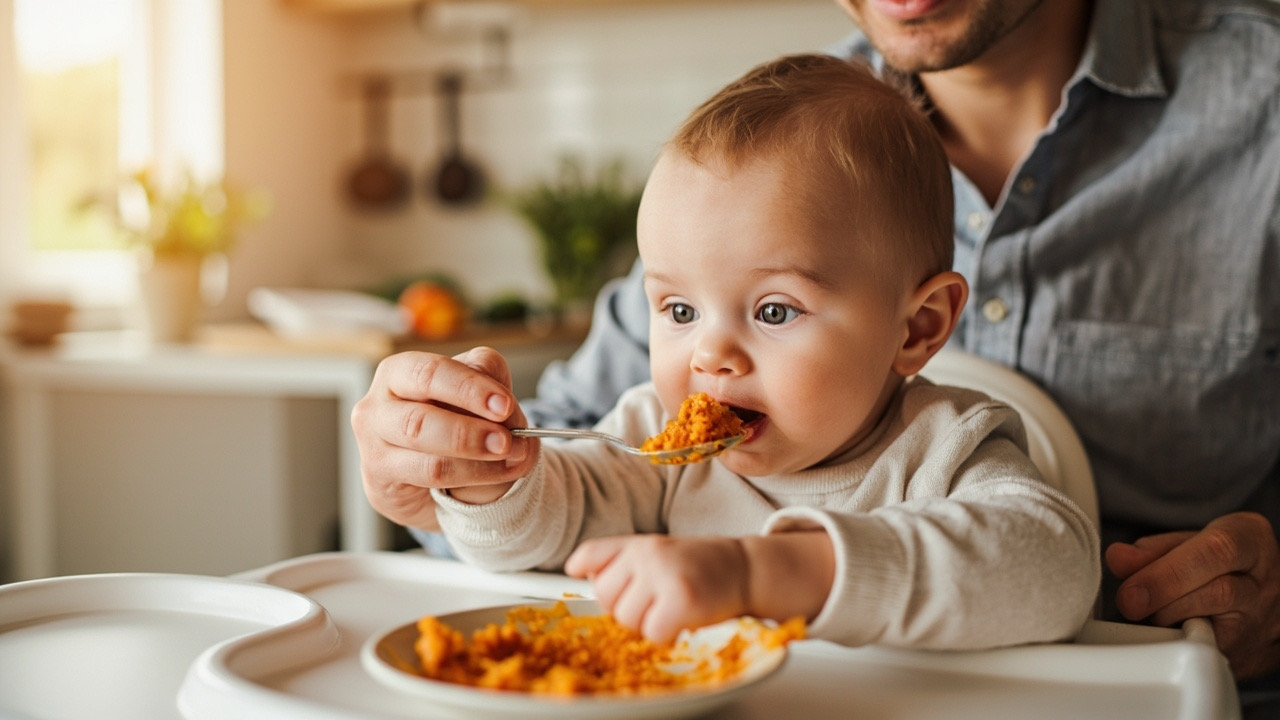
Iron deficiency is the most common nutrient deficiency worldwide in children under three. Between 6 and 12 months, your baby's brain undergoes rapid development that demands iron — and most babies' birth stores are depleted by 6 months. This guide covers exactly why iron matters, how much your baby needs, and the best foods to meet those needs.
Table of Contents
- Why Iron Matters for Babies
- How Much Iron Does Your Baby Need?
- Heme vs. Non-Heme Iron: What's the Difference?
- Top Iron-Rich Foods for Babies
- Iron-Rich Meal Ideas for Every Stage
- Signs of Iron Deficiency in Babies
- Tips for Maximising Iron Absorption
- When to Talk to Your Paediatrician
- Frequently Asked Questions
- Sources & Methodology
Why Iron Matters for Babies
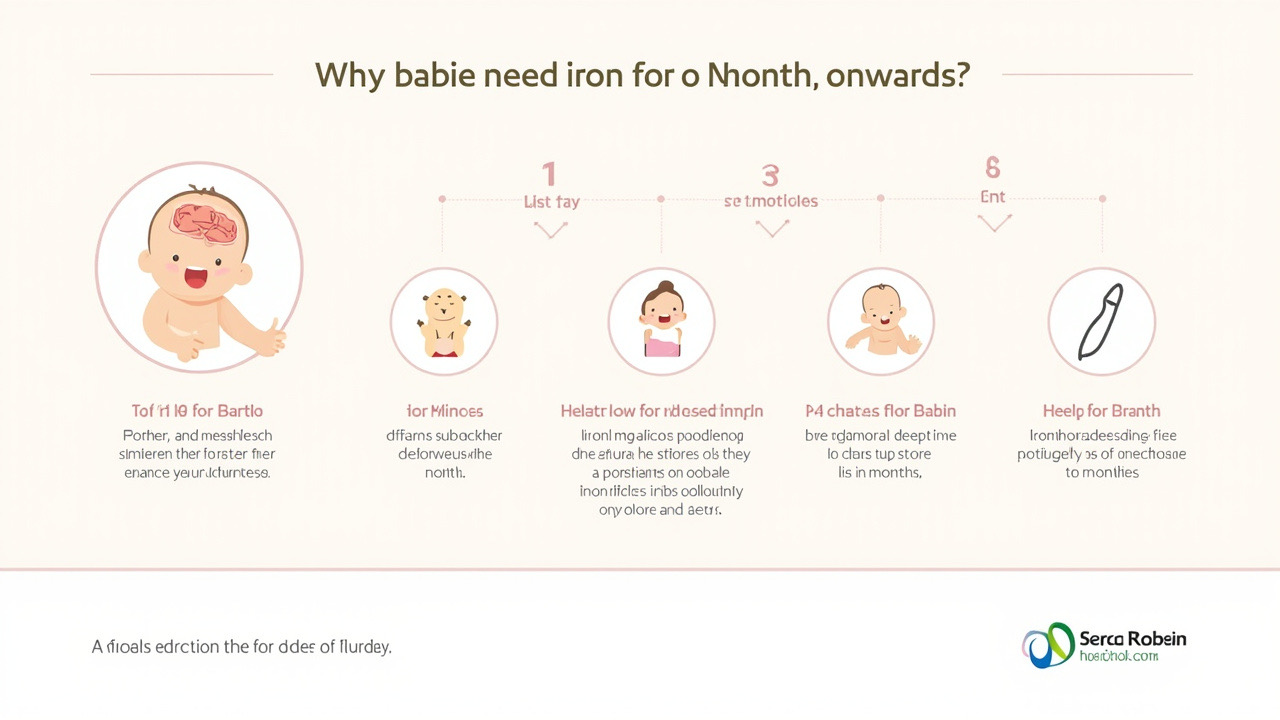
The first year of life is a period of extraordinary growth. A baby typically triples their birth weight by 12 months, and their brain nearly doubles in size during that same window. Both of these processes demand iron — and demand it relentlessly.
Iron is a core component of haemoglobin, the protein in red blood cells that carries oxygen from the lungs to every tissue in the body. During infancy, blood volume expands rapidly, which means the body needs to produce large amounts of new haemoglobin constantly. Iron fuels this process. But iron's role goes far beyond oxygen transport.
In the developing brain, iron is critical for myelination — the process by which nerve fibres are coated with a fatty sheath that allows electrical signals to travel quickly and efficiently. Research published in the journal Nutrients has linked early-life iron deficiency to lasting deficits in cognition, language, and motor development, even after iron levels are later restored. The damage is not always reversible.
Babies are particularly vulnerable to iron deficiency for several reasons:
- Rapid growth rate — Infants grow faster in their first year than at any other life stage, creating high iron demands that are difficult to meet through food alone.
- Depleted birth stores — Full-term babies are born with approximately 6 months' worth of iron stored in their liver and bone marrow, but these reserves are typically exhausted by 6 months of age.
- Exclusive milk feeding — Breast milk and standard infant formula both contain relatively low iron levels, though breast milk iron is more bioavailable.
- Transition to solids — When solid foods are introduced, the gap between what babies need and what they eat can be significant if iron-rich foods are not prioritised from the start.
For these reasons, the American Academy of Paediatrics, the NHS, and the World Health Organization all recommend introducing iron-rich foods alongside continued breast milk or formula feeding from around 6 months of age. If you are looking for guidance on how to start weaning your baby safely, that is a good place to begin building a complete feeding routine.
How Much Iron Does Your Baby Need?
Iron requirements spike dramatically at around 6 months and stay elevated through the toddler years.
| Age Group | Recommended Daily Iron Intake |
|---|---|
| 0–5 months | 0.27 mg (from breast milk/formula) |
| 7–12 months | 11 mg |
| 1–3 years | 7 mg |
Source: National Institutes of Health (NIH) Office of Dietary Supplements
To put 11 mg in perspective: it would take roughly 100 grams of raw spinach to provide that amount — and only about 2% of the iron in spinach is absorbable (more on that below). By contrast, 100 grams of beef liver provides around 6 mg of highly bioavailable heme iron. The math quickly reveals why food choice matters enormously at this age.
Babies who were born prematurely (before 37 weeks) or with low birth weight have even higher iron requirements and may need supplementation earlier — this should always be discussed with a neonatal or paediatric specialist.
Why Formula-Fed Babies Need Careful Monitoring Too
Iron-fortified infant formula contains more iron than breast milk by design, because the iron in formula is less bioavailable than the iron in breast milk. This does not mean formula-fed babies are in the clear — some babies drink less formula than intended, and the fixed iron levels mean absorption is more variable. As babies transition to solid foods, iron-fortified cereals and pureed meats remain important regardless of feeding method.
You can read more about what to look for in baby food storage containers if you are planning to batch-cook iron-rich meals in advance — proper storage preserves nutrient quality.
Heme vs. Non-Heme Iron: What's the Difference?
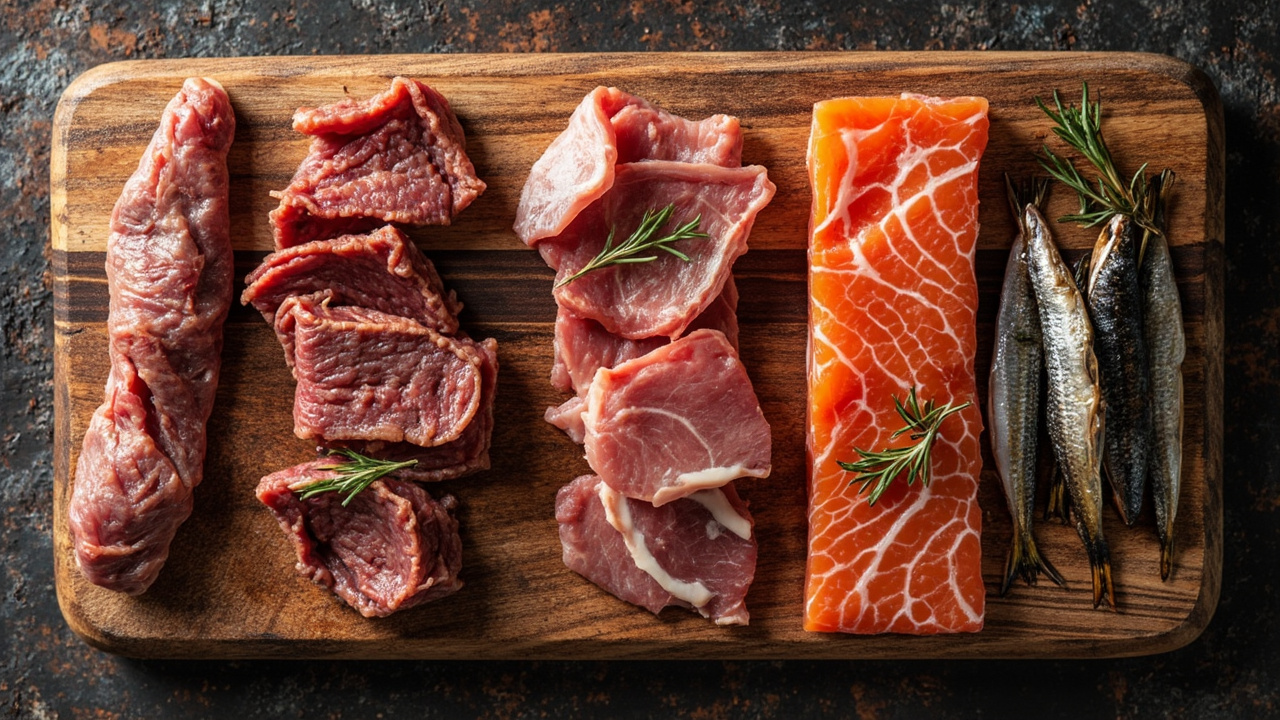
Understanding the two types of dietary iron helps you make smarter food choices for your baby.
Heme Iron
Heme iron is found in animal tissues — meat, poultry, and fish. It is bound to haemoglobin and myoglobin molecules and is absorbed through a dedicated pathway in the intestinal wall. Heme iron has a bioavailability of approximately 15–35%, meaning the body captures a substantial fraction of what's eaten.
The best heme iron sources for babies include:
- Beef, lamb, and pork (pureed or finely minced)
- Chicken liver (exceptionally high in iron per gram)
- Turkey and chicken dark meat
- Fish (especially oily species such as sardines and salmon)
Non-Heme Iron
Non-heme iron comes from plant sources and iron-fortified foods. It is not bound to haemoglobin and must be absorbed through a different mechanism, competing with other dietary compounds that can inhibit its uptake. Absorption rates for non-heme iron typically range from 2–20%, depending on what else is eaten at the same time.
Iron-rich plant sources for babies include:
- Legumes (lentils, chickpeas, black beans) — mashed smooth for young babies
- Iron-fortified infant cereals (oat, multigrain)
- Tofu (firm variety, pureed)
- Dark leafy greens (spinach, kale, Swiss chard)
- Quinoa and other iron-fortified grains
The Absorption Equation
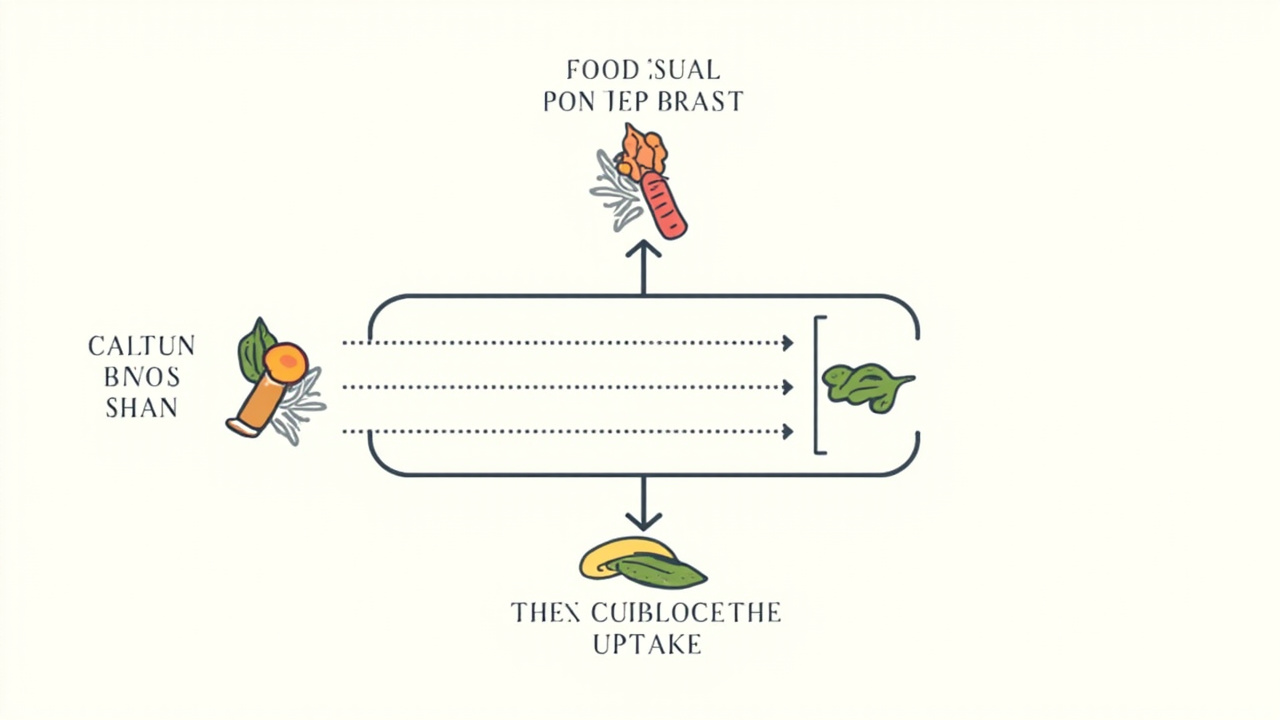
One of the most practical things parents can do is learn which foods enhance and which foods inhibit non-heme iron absorption:
| Enhancers | Inhibitors |
|---|---|
| Vitamin C (citrus, strawberries, bell pepper) | Calcium (milk, cheese, yogurt) |
| Meat factor (protein from meat/fish) | Phytates (whole grains, legumes) |
| Organic acids (citric, malic acid) | Polyphenols (tea, coffee, cocoa) |
| Fermented foods (mild, baby-safe) | Oxalates (spinach, beet greens) |
For babies eating plant-based iron sources, pairing those foods with a vitamin C-rich food is one of the most impactful strategies available — more on this in the absorption tips section below.
Top Iron-Rich Foods for Babies
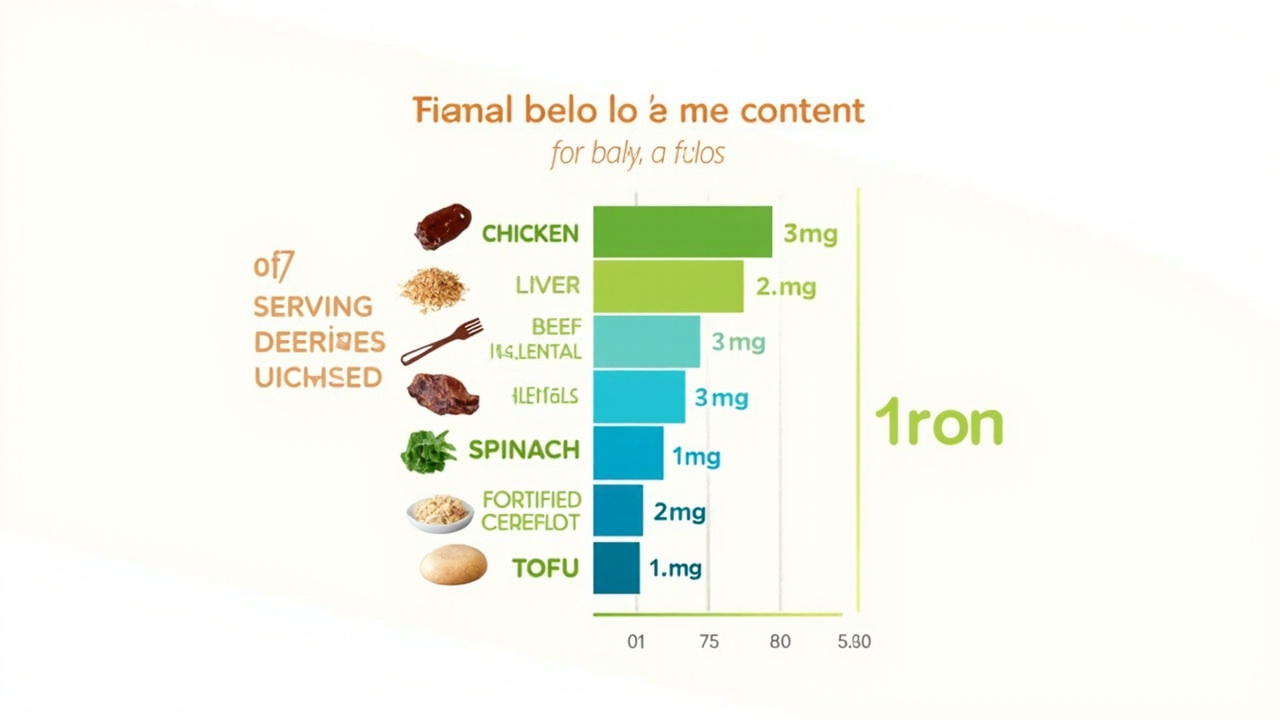
The table below compares the iron content and bioavailability of foods commonly served to babies aged 6–12 months. All serving sizes are appropriate for a single meal for a baby who is being weaned.
| Food | Iron per 100g | Iron per Typical Serving | Bioavailability | Notes |
|---|---|---|---|---|
| Chicken liver (pureed) | 8.99 mg | ~2.7 mg per 30g | High (heme) | One of the most nutrient-dense foods; rich in vitamin A too |
| Beef (pureed) | 2.6 mg | ~1.3 mg per 50g | High (heme) | Choose lean cuts; freeze in ice cube trays for portions |
| Lamb (pureed) | 1.9 mg | ~0.95 mg per 50g | High (heme) | Good alternative to beef; mild flavour |
| Lentils (mashed) | 3.3 mg | ~1.0 mg per 30g (dry) | Low–moderate | Cook until very soft; blend smooth for young babies |
| Iron-fortified oat cereal | 12.0 mg (per 100g dry) | ~3.0 mg per 25g dry | Moderate | Mix with breast milk or formula for familiar taste |
| Iron-fortified rice cereal | 12.0 mg (per 100g dry) | ~3.0 mg per 25g dry | Moderate | Consider oat or multigrain for variety |
| Tofu (firm, pureed) | 5.4 mg | ~1.6 mg per 30g | Low–moderate | Choose baby-safe varieties; blend smooth |
| Spinach (cooked, pureed) | 2.7 mg | ~0.4 mg per 15g | Low | Absorption limited by oxalates; combine with vitamin C |
| Chickpeas (mashed) | 2.9 mg | ~0.9 mg per 30g | Low–moderate | Good for baby-led weaning; smash to reduce choking risk |
| Quinoa (cooked, mashed) | 1.5 mg | ~0.5 mg per 30g | Moderate | Complete protein; also provides zinc and magnesium |
| Sardines (mashed, boneless) | 2.9 mg | ~0.9 mg per 30g | High (heme) | Also provides omega-3 DHA for brain development |
| Fortified pasta (cooked) | 1.0 mg | ~0.5 mg per 50g | Moderate | Choose iron-fortified varieties; easy finger food |
Note: Values are approximate and vary by product, cooking method, and batch. Bioavailability classifications are based on standard nutrition science literature.
A Note on Spinach and Oxalates
Parents sometimes feel confident adding spinach to baby meals, but it is worth understanding the oxalate issue. Spinach is high in iron — but also high in oxalic acid, which binds to iron and significantly reduces absorption. For babies relying primarily on plant-based iron sources, pairing spinach with a vitamin C-rich food (such as a spoon of pureed strawberry or a squeeze of fresh lemon juice) is a sensible strategy, though the practical absorption will still be considerably lower than from heme sources. Spinach should not be dismissed, but it should not be relied upon as a primary iron source either.
Iron-Rich Meal Ideas for Every Stage
Practical meal ideas make this information actionable. Below are age-appropriate serving suggestions across the weaning journey.
Stage 1: 6–7 Months (Puree Phase)
At this stage, babies are typically accepting smooth purees with minimal texture. Iron-rich first foods in this phase should be single-ingredient, introduced one at a time over 3–5 days to monitor for allergic reactions.
Iron-fortified oat cereal with pureed pear
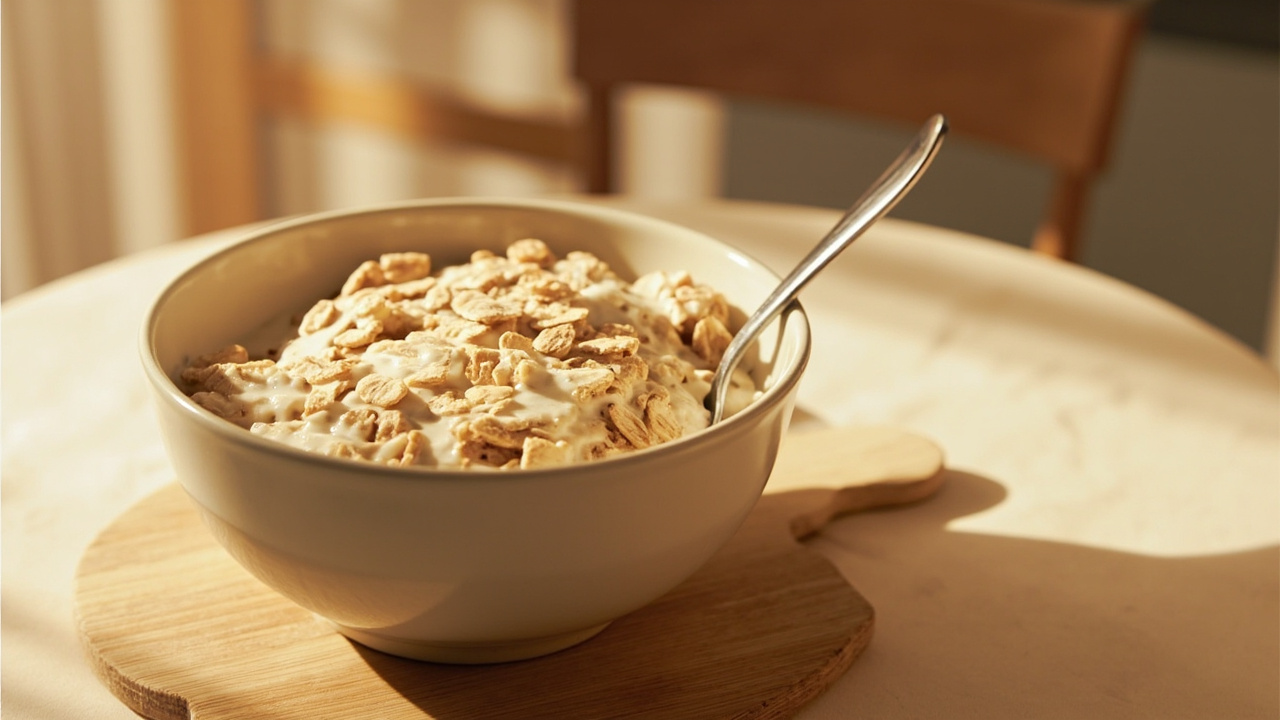
Mix 2–3 tablespoons of iron-fortified oat infant cereal (buy on Amazon — look for a brand with at least 12mg iron per 100g dry) with expressed breast milk or prepared formula to a smooth consistency. Stir in 1–2 teaspoons of pureed pear for flavour and vitamin C, which boosts non-heme iron absorption from the cereal.
Pureed beef with sweet potato
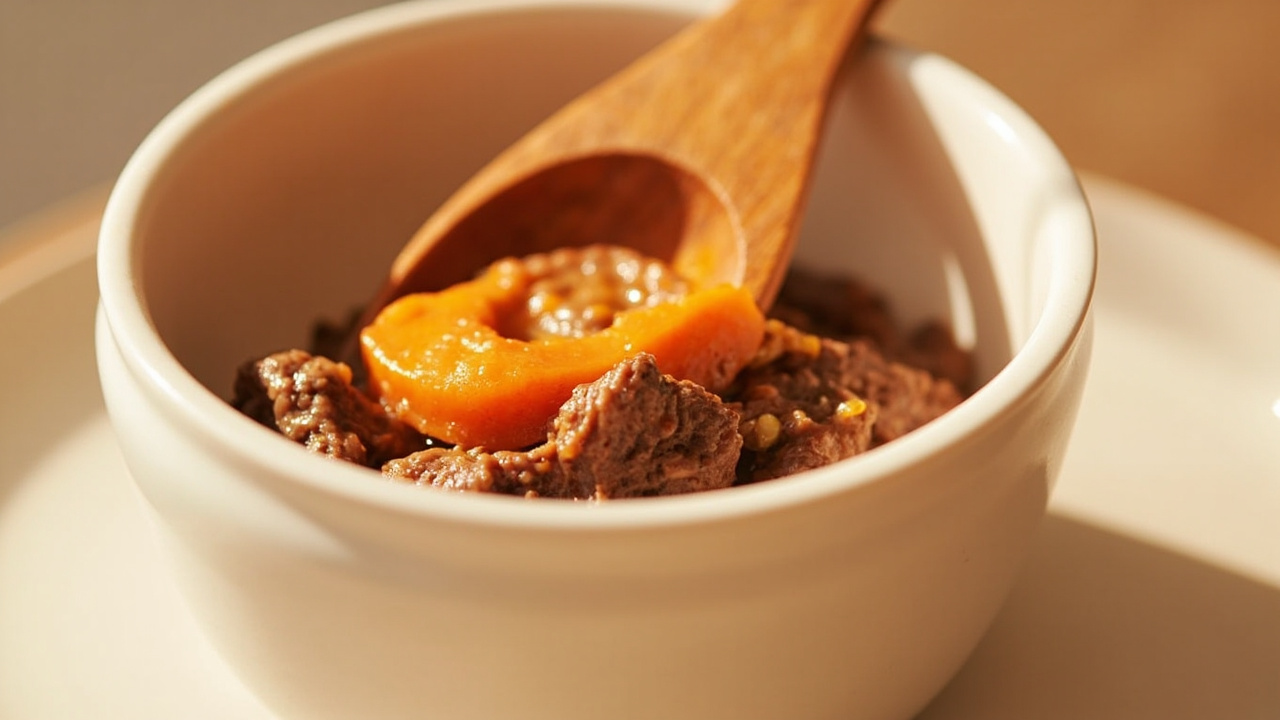
Cook lean beef until very tender, then puree with a small amount of cooked sweet potato and a teaspoon of unsweetened cooking liquid. Sweet potato provides beta-carotene and adds natural sweetness that babies tend to enjoy. Portioning beef purees into an ice cube tray makes it easy to thaw exactly the right amount for each meal.
Smooth chicken liver puree
Rinse chicken livers under cold water, remove any connective tissue, and simmer in low-sodium chicken broth for 15 minutes until fully cooked. Puree until completely smooth with a splash of the cooking liquid. A single teaspoon of this on the first introduction is appropriate, working up to a tablespoon or two over subsequent days. Chicken liver is one of the most iron-dense foods you can offer your baby and also provides vitamin A in enormous quantities.
Stage 2: 7–9 Months (Transitional Phase)
Babies in this phase can handle thicker purees with small soft lumps. Introduce mashed rather than fully pureed textures to encourage chewing.
Lamb and red lentil mash
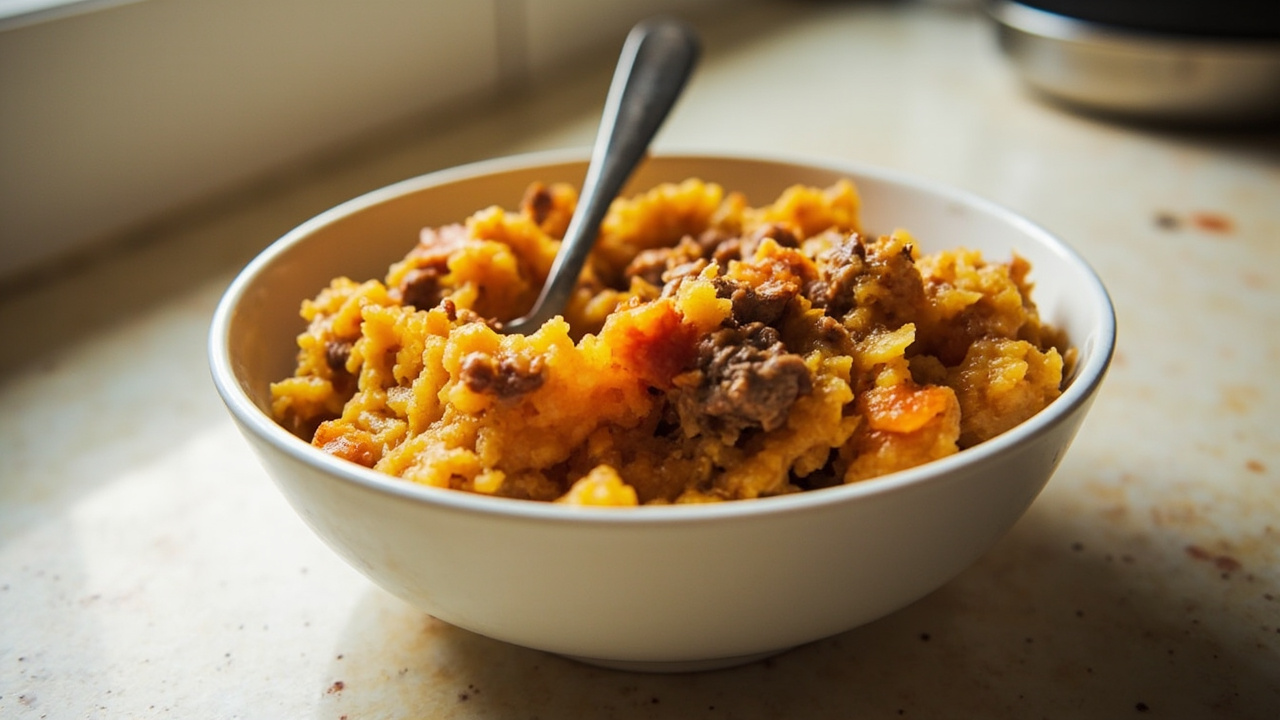
Cook red lentils until very soft (approximately 20–25 minutes). Mash or lightly blitz with cooked lamb and a teaspoon of olive oil. Add a tablespoon of pureed roasted red pepper for vitamin C, which dramatically improves iron absorption from the lentils. This meal illustrates the principle of combining heme and non-heme iron sources for maximum benefit.
Beef and quinoa with broccoli
Cook quinoa until soft. Mix with finely shredded or mashed cooked beef and steamed broccoli (very well steamed, then mashed). A small drizzle of olive oil or avocado oil adds healthy fats that support iron absorption. Quinoa is also a complete protein and provides zinc — another nutrient that commonly needs attention during weaning.
Chickpea and tofu blend
This is a plant-based option for families following vegetarian or vegan weaning approaches. Cook chickpeas until soft and blend with mashed firm tofu, a squeeze of lemon juice, and a teaspoon of tahini (sesame paste — a good source of iron itself). Tahini is widely available at most grocery stores or on Amazon.
Stage 3: 9–12 Months (Finger Food Phase)
Babies in this stage are developing the pincer grasp and can manage soft, bite-sized pieces. Iron-rich foods can be offered as tender strips or small cubes.
Soft lamb or beef strips
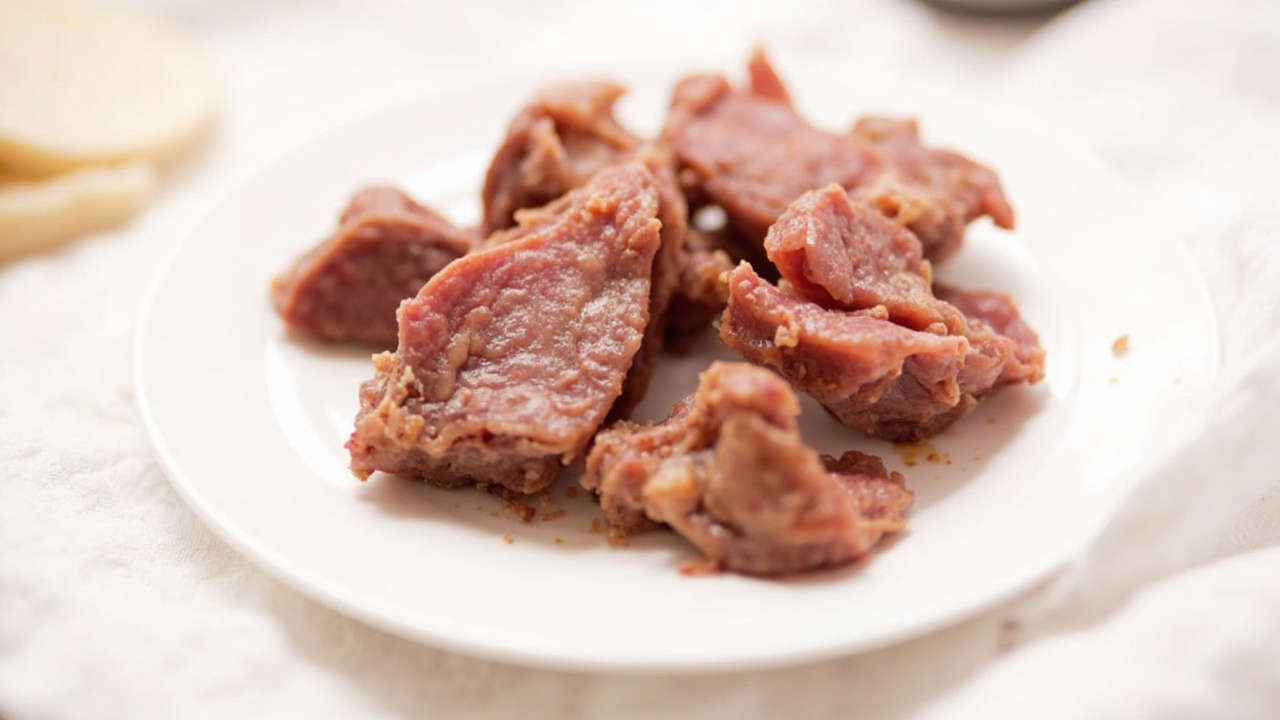
Slow-cook lamb or beef until very tender (3–4 hours on low in a crockpot or pressure cooker). Slice into thin, soft strips along the grain of the meat. Babies can gum these effectively even without teeth. This is an ideal finger food for babies who are further along in their weaning journey.
Mini frittata with iron-fortified pasta
Whisk one egg with a tablespoon of cooked and cooled iron-fortified small pasta shapes, a teaspoon of pureed spinach, and a tablespoon of finely minced cooked chicken or turkey. Bake in a mini muffin tin at 180°C (350°F) for 12–15 minutes until set. Allow to cool fully before serving. This is a practical, nutrient-dense snack that travels well and can be frozen in batches.
Baby-sized falafel (lentil-based)
Combine cooked red lentils with a small amount of oats, a teaspoon of herbs (such as mild fresh parsley), and a pinch of cumin. Form into very small patties, bake on a lined tray at 190°C (375°F) for 15 minutes until golden. These are great for baby-led weaning and also provide non-heme iron from the lentils. They store well in the fridge for 2–3 days or can be frozen for up to a month.
Sardine smash on toast
For babies who are ready for small amounts of dairy-free spread on lightly toasted bread: mash boneless sardines (rinsed if canned in salt), spread on a small piece of soft toast, and add a few drops of lemon juice. Sardines are one of the few fish providing heme iron and are also rich in calcium and omega-3 fatty acids that support brain development. Canned sardines in olive oil or spring water are both suitable options, available at most supermarkets or on Amazon.
Signs of Iron Deficiency in Babies
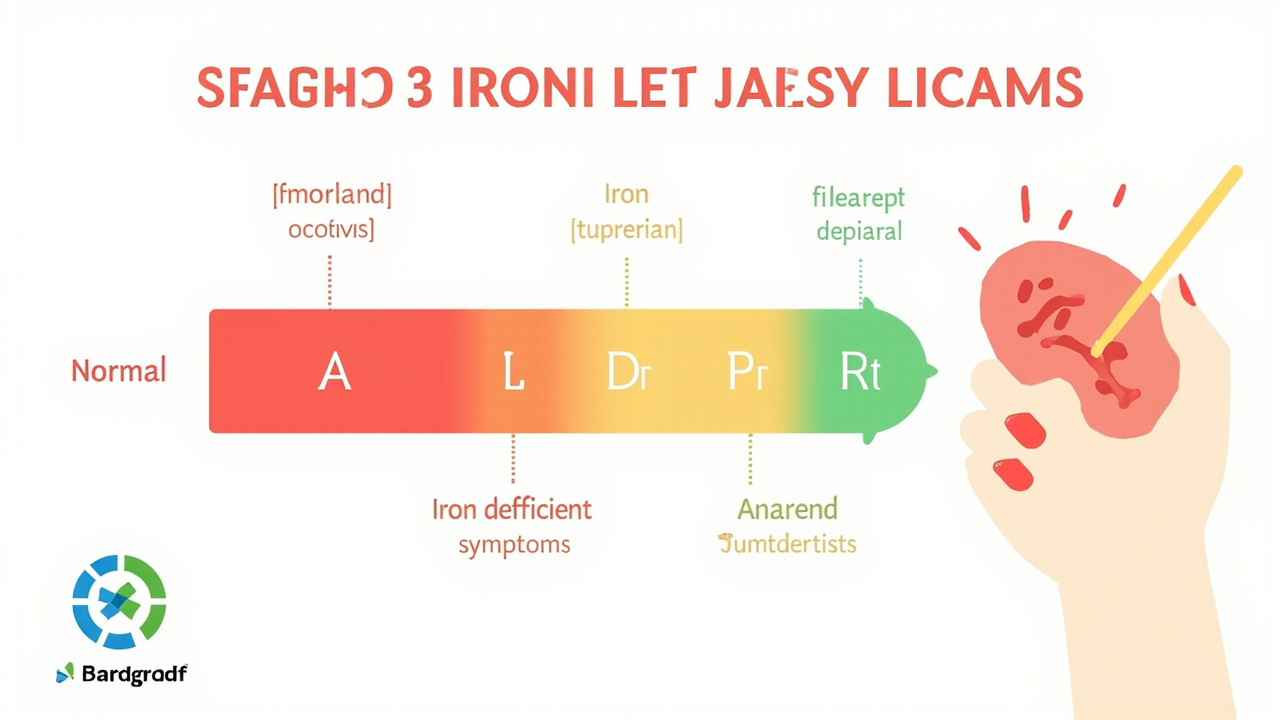
Iron deficiency progresses through several stages before it becomes clinical anaemia. Recognising the early signs — and acting on them promptly — can prevent more serious consequences.
Stage 1: Iron Depletion
In this stage, iron stores (measured by serum ferritin) are low, but haemoglobin levels may still appear normal. There are often no visible symptoms at this point, which is why routine screening at the 9- or 12-month health visitor or paediatric check-up is so valuable.
Stage 2: Iron Deficient Erythropoiesis
The body is now struggling to produce enough red blood cells. Haemoglobin begins to drop. Some parents notice their baby seems more tired than usual or is less interested in play.
Stage 3: Iron Deficiency Anaemia
Haemoglobin has fallen below the normal range for age. Symptoms can include:
- Pallor — Pale skin, particularly noticeable on the inner eyelids, gums, and nail beds
- Fatigue and lethargy — Unusual tiredness, sleeping more than usual
- Slow weight gain — Failing to track along the growth curve as expected
- Delayed motor development — Late to crawl, stand, or walk; clumsiness
- Frequent infections — Recurrent minor illnesses that seem to linger
- Pica — An unusual craving for non-food substances such as dirt, chalk, or ice (this is a medical symptom worth reporting)
If your baby shows any combination of these signs, request a blood test from your GP or paediatrician. The test will check haemoglobin, haematocrit, mean corpuscular volume (MCV), and serum ferritin — the most reliable indicator of iron stores.
Who Is Most at Risk?
- Babies born prematurely or with low birth weight
- Babies from multiple pregnancies (twins, triplets)
- Babies of South Asian, African, or Middle Eastern descent (higher prevalence of deficiency)
- Babies whose diet is dominated by milk (cow's milk is very low in iron and can cause microscopic intestinal blood loss when consumed in large quantities before 12 months)
- Babies with chronic gastrointestinal conditions
Tips for Maximising Iron Absorption
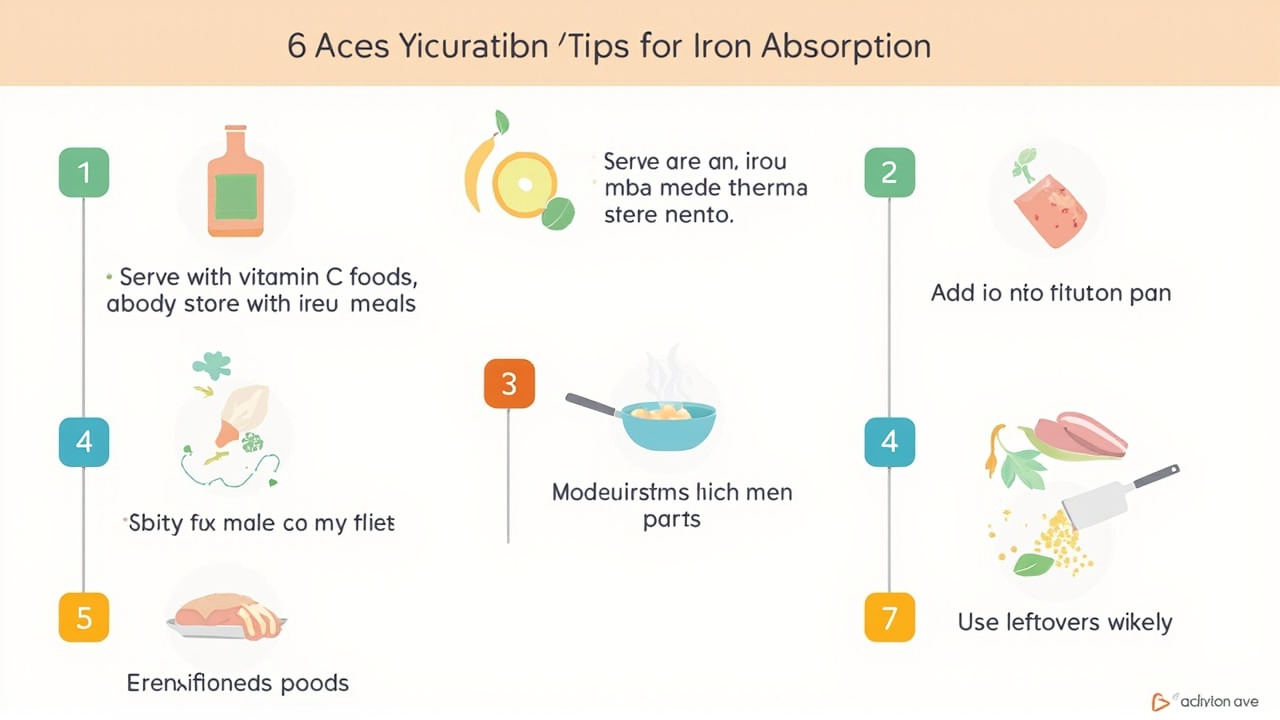
What you feed your baby matters as much as how you combine it. Use these evidence-based strategies to get the most iron from every meal.
1. Pair non-heme iron foods with vitamin C
The single most effective dietary strategy for babies eating plant-based iron foods is to add a vitamin C food at the same meal. A tablespoon of pureed strawberries, a spoonful of citrus fruit segments, or a teaspoon of roasted red pepper alongside iron-fortified cereal or lentils can boost non-heme iron absorption by up to three times. This is not a subtle effect — it is a major, measurable difference.
2. Serve meat alongside plant-based iron sources
Meat contains what nutrition scientists call the "meat factor" — a protein or amino acid compound that, when consumed simultaneously with plant-based iron, enhances non-heme iron absorption. A meal of lentils with a small amount of ground beef or lamb will deliver more total absorbable iron than either food alone.
3. Avoid serving calcium-rich foods at iron-rich meals
Cow's milk, cheese, yogurt, and calcium supplements all interfere with iron absorption. This does not mean avoiding dairy entirely — it means being strategic about timing. Offer milk as a drink between meals rather than alongside an iron-rich meal. If your baby uses a bottle, consider separating milk feeds and solid food meals by at least 30–60 minutes. If you are exploring formula options and storage, note that timing formula feeds around iron-rich meals is a worthwhile habit.
4. Use cast-iron cookware
Cooking in cast-iron pans can measurably increase the iron content of foods, particularly acidic foods such as tomato sauce or citrus-based dishes. While this is not a primary iron source strategy, it is a simple habit that adds up over time. Transferring a baby food batch from a stainless pot to a cast-iron pan for a final simmer is an easy win.
5. Avoid tea and coffee in baby diets
Even in small amounts, the tannins and polyphenols in tea can dramatically reduce iron absorption. This is worth noting for families with cultural tea-drinking practices — herbal teas given to babies or served alongside meals can suppress iron uptake significantly.
6. Consider serving iron-fortified formula or cereal at every meal
The NHS recommends iron-fortified first foods as an important part of a baby's diet from 6 months onwards. Iron-fortified infant cereals are specifically designed to provide bioavailable iron in predictable amounts and can form a reliable daily base for iron intake.
When to Talk to Your Paediatrician
Every baby is different, and some situations warrant professional guidance beyond general dietary advice.
Premature or low birth weight babies
Babies born before 37 weeks often need iron supplementation before 6 months, as their iron stores are lower and depleted faster. A neonatology or paediatric specialist should guide supplementation dosing in these cases.
Exclusive breastfeeding without iron-rich solids
If you are exclusively breastfeeding your baby past 6 months and iron-rich solids are not yet established in the diet, ask your health visitor or GP about whether a supplement is appropriate. This is especially important for babies who were growth-restricted in utero or who had complications at birth.
Suspected pica
Craving and eating non-food substances is a recognised sign of iron deficiency anaemia. If your baby is putting unusual objects in their mouth persistently or eating substances such as soil, chalk, or raw flour, mention this to your GP.
Family history of haemochromatosis
Haemochromatosis is a genetic condition causing excessive iron absorption. While it typically manifests in adulthood, knowing your family history can inform how your child's iron intake is monitored.
Dietary restrictions
If your family follows a vegan, vegetarian, or otherwise restricted diet and you are weaning your baby on plant-based foods, working with a paediatric dietitian is strongly advisable to ensure adequate iron (and zinc, another commonly low mineral in plant-based weaning diets) is achieved. For related reading, the team at Sleep Better Faster — a trusted health information resource — covers nutrition topics that complement infant development and sleep quality.
For most families, though, offering a varied diet that prioritises iron-rich foods across the week — including both heme and non-heme sources — is sufficient to meet a baby's needs without supplementation. The goal is a consistent pattern, not perfection at every single meal.
Frequently Asked Questions
Why is iron important for babies?
Iron is essential for babies because it supports rapid brain development and red blood cell production. Between 6 and 12 months, babies need about 11 mg of iron daily — more per kilogram of body weight than at any other life stage. Iron deficiency in this critical window can lead to lasting cognitive effects, which is why addressing it promptly matters enormously.
How much iron does my baby need?
Babies aged 7–12 months need approximately 11 mg of iron per day — nearly double the adult recommendation per kilogram of body weight. Babies who are exclusively breastfed should receive iron from solid foods starting at 6 months. Iron-fortified cereals, pureed meats, and legumes are the most reliable sources.
What are the best iron-rich foods for babies?
The best iron-rich foods for babies include pureed beef or lamb, chicken liver, iron-fortified infant cereals, mashed lentils, pureed tofu, and dark leafy greens such as spinach. Heme iron sources (meat, poultry, fish) are absorbed 2–3 times more efficiently than non-heme iron from plant sources. Combining plant-based iron foods with vitamin C-rich foods significantly improves absorption.
Can too much iron be harmful for babies?
Excess iron from food alone is uncommon, but iron supplements should only be given under medical supervision. Too much iron from supplements can cause constipation and, in rare cases, iron toxicity. Always consult your paediatrician before starting any iron supplement for your baby. Do not give adult iron supplements to babies under any circumstances.
What are signs of iron deficiency in babies?
Signs of iron deficiency in babies include pallor (pale skin), fatigue, slow weight gain, delayed motor skills, frequent infections, and unusual cravings for non-food substances (pica). If you notice any of these signs, speak with your paediatrician who can arrange a simple blood test to check ferritin and haemoglobin levels.
How can I improve my baby's iron absorption from food?
Pair non-heme iron foods with vitamin C-rich foods such as pureed citrus fruits, strawberries, or bell peppers to boost absorption by up to three times. Avoid serving calcium-rich foods (milk, cheese) at the same meal as iron-rich foods, as calcium inhibits absorption. Serving iron-fortified cereals with a squeeze of lemon or orange juice is a simple, evidence-based strategy.
My baby refuses meat. What should I do?
Start small — a teaspoon of very smoothly pureed beef or lamb mixed into a familiar food such as iron-fortified cereal can be a gentle introduction. Some babies resist the texture of meat; others are sensitive to the flavour. Experimenting with different cooking methods (slow cooking vs. quick roasting) can change the flavour profile significantly. If meat refusal persists, discuss with your health visitor whether plant-based iron foods and a possible supplement are appropriate for your baby's individual situation.
Should I use iron supplements for my baby?
Iron supplements should only be used when prescribed or recommended by a qualified healthcare professional. In most cases, babies who are fed a varied diet that includes iron-rich foods do not need supplements. Premature babies, babies with certain medical conditions, and babies diagnosed with iron deficiency may benefit from supplements, but the dosing and form must be determined by a doctor.
Sources & Methodology
1. American Academy of Paediatrics (AAP). Iron Needs of Infants and Toddlers. Paediatrics, 2004. Available at: https://publications.aap.org/pediatrics/article/114/1/236/65901/Iron-Need-of-Infants-and-Toddlers
2. National Institutes of Health (NIH), Office of Dietary Supplements. Iron — Fact Sheet for Health Professionals. Updated 2024. Available at: https://ods.od.nih.gov/factsheets/Iron-Consumer/
3. World Health Organization (WHO). Iron Deficiency Anaemia: Assessment, Prevention, and Control. WHO/NMH/NHD/MNM/13.1. Available at: https://www.who.int/publications/i/item/9789241596106
4. NHS (National Health Service). Weaning: Introducing Solid Foods — Iron. Reviewed 2023. Available at: https://www.nhs.uk/conditions/baby/solid-foods/weaning/
5. Baker, R.D., Greer, F.R., et al. (AAP Committee on Nutrition). Diagnosis and Prevention of Iron Deficiency and Iron-Deficiency Anaemia in Infants and Young Children (0–3 Years). Paediatrics, Vol. 126, No. 5, November 2010. Available at: https://publications.aap.org/pediatrics/article/126/5/1040/65655/Diagnosis-and-Prevention-of-Iron-Deficiency-and
6. Hurrell, R., & Egli, I. Iron Bioavailability and Dietary Reference Values. American Journal of Clinical Nutrition, Vol. 91, No. 5, May 2010. Available at: https://ajcn.nutrition.org/article/S0002-9165(12)60562-2/fulltext
7. Domellöf, M., et al. Iron Requirements of Infants and Toddlers. Journal of Paediatric Gastroenterology and Nutrition, Vol. 58, No. 1, January 2014. Available at: https://journals.lww.com/jpgnr/abstract/2014/01000/iron_requirements_of_infants_and_toddlers.15.aspx
This article was reviewed by Dr. Rachel Thompson, Registered Paediatric Dietitian.
Author: Dr. Sarah Mitchell is a Registered Dietitian specialising in infant and paediatric nutrition with over a decade of clinical experience supporting families through the weaning journey. She holds a Master of Science in Human Nutrition and is a member of the British Dietetic Association. Her work focuses on translating evidence-based nutrition science into practical, real-world feeding guidance for parents.
© 2026 First Foods for Babies. All rights reserved. The information provided on this website is for educational purposes only and is not intended as a substitute for professional medical advice, diagnosis, or treatment.