Guide
When to Introduce Dairy to Babies: A Complete Guide (2026)
By Dr. Sarah Kim, Paediatric Dietitian · Updated 2026-07-02
This article was last updated in July 2026 and is medically reviewed by Dr. Sarah Kim, a UK-registered Paediatric Dietitian with over 15 years of experience in infant and child nutrition.
When to Introduce Dairy to Babies: A Complete Guide (2026)
Introducing dairy is one of the most common milestone moments in your baby's first year of solid foods — and one of the most frequently asked-about. Parents want to know: Is six months old enough? Can I use milk in cooking before their first birthday? What if my baby has eczema? This guide answers every one of those questions with evidence-based, practical advice.
Table of Contents
- When Can Babies Have Dairy?
- Why Dairy Timing Matters
- Best First Dairy Foods for Babies
- Dairy Allergens and Baby Safety
- How to Introduce Dairy: Step-by-Step
- Signs of a Dairy Allergy vs. Lactose Intolerance
- Dairy Foods to Avoid Before 12 Months
- Reading Dairy Labels for Baby Food
- Dairy Alternatives for Babies with CMPA
- Frequently Asked Questions
- Sources & Methodology
When Can Babies Have Dairy?
The short answer: full-fat dairy foods like yogurt and cheese can be introduced from around 6 months of age, once your baby has started on solid foods. This aligns with current NHS and American Academy of Pediatrics (AAP) guidance, which recommends introducing dairy proteins alongside other common allergens from around the 6-month mark, provided your baby has begun weaning.
The more nuanced answer concerns which dairy and how much. Plain full-fat yogurt, cottage cheese, and hard cheeses are safe to introduce from 6 months as part of a varied diet. Whole cow's milk, however, must not be used as a main drink until after your baby's first birthday — it does not contain enough iron and other nutrients to support healthy development in the first year, and consuming it in place of breast milk or formula can lead to iron deficiency anaemia.
If you are just starting your weaning journey, our complete guide to starting solids covers exactly what to look for in terms of developmental readiness, including head control, sitting ability, and the disappearance of the tongue-thrust reflex.
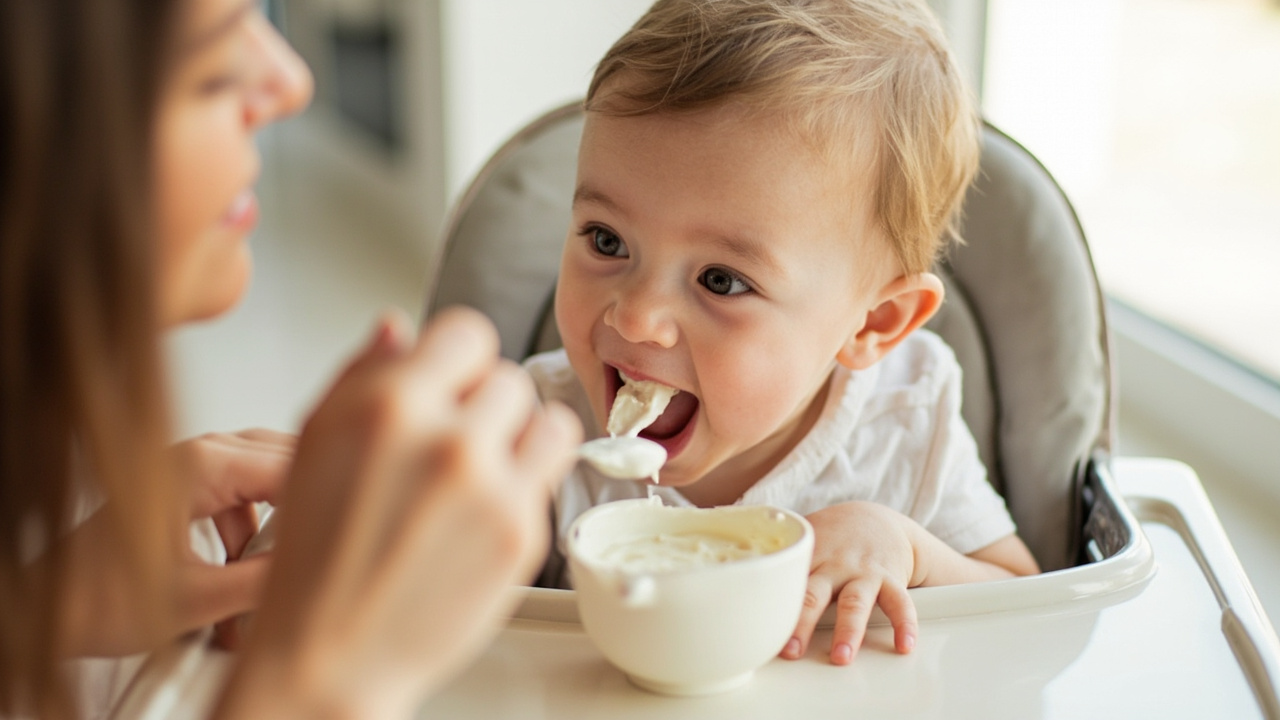
The Difference Between Dairy as a Food and Dairy as a Drink
This distinction causes confusion for many parents, so it is worth being clear:
- Dairy as a food (yogurt, cheese, milk used in cooking): Safe from 6 months, in age-appropriate portion sizes
- Dairy as a main drink: Not appropriate until 12 months; breast milk or formula should remain the primary milk source
A splash of whole milk in your baby's porridge at 7 months is fine. Offering a full bottle of cow's milk instead of their morning breast milk or formula is not.
Why Dairy Timing Matters
Dairy occupies a unique position in infant nutrition because it is both highly nutritious and one of the top eight food allergens. Getting the timing right matters for three key reasons.
Nutritional Development
Between 6 and 12 months, your baby's iron stores — built up in utero — begin to deplete. Whole cow's milk is very low in iron, and consuming it in large quantities can cause microscopic bleeding in the gut, increasing the risk of iron deficiency anaemia. This is why health organisations are consistent: milk as a drink before 12 months is not recommended, regardless of how nutritious it seems.
Yogurt and cheese, by contrast, are fed in small spoonfuls as part of a meal, not as a substitute for breast milk or formula. They contribute protein, calcium, vitamin B12, and phosphorus without displacing the nutrients babies need most in the first year.
For more on which nutrients to prioritise during weaning, see our guide to iron-rich first foods for babies.
Allergen Sensitisation Window
Research published in the Journal of Allergy and Clinical Immunology and endorsed by the AAP's 2023 updated guidelines indicates that introducing dairy protein (specifically cow's milk) alongside other allergens between 4 and 6 months — once weaning has commenced — may actually reduce the risk of developing an allergy compared to delaying introduction beyond 12 months. This is a significant shift from the old advice of avoiding dairy and other allergens until after the first birthday.
This does not mean forcing dairy on an unwilling baby. It means that if your 6-month-old is already enjoying solid foods, there is no medical reason to actively avoid dairy proteins. Always introduce one new allergen food at a time, with a two-to-three-day gap between each, so you can clearly identify any reaction.
For a full overview of introducing allergens safely, read our guide to introducing allergens to babies.
Gut Development
By 6 months, most babies have developed enough digestive enzyme activity — specifically gastrin and pancreatic enzymes — to begin processing the proteins in yogurt and cheese. Introducing dairy before this point, when the gut lining is still maturing, may increase the likelihood of adverse reactions, although research on this specific mechanism is ongoing.
Best First Dairy Foods for Babies
Not all dairy is equal when it comes to first foods for your baby. Here are the best options to start with, and why each one earns its place in your baby's weaning toolkit.
Plain Full-Fat Yogurt
Plain full-fat yogurt is arguably the ideal first dairy food for babies. It is:
- Low in lactose (the natural milk sugar) compared to milk itself, making it easier to digest in early weaning
- High in protein — approximately 5g per 100g serving
- Rich in calcium and vitamin B12
- Has a smooth, easy-to-eat texture suitable for spoon-feeding from 6 months
Choose plain, full-fat varieties with no added sugar. Avoid "children's" yogurts marketed to babies — these often contain added fruit purees, sucrose, or vanilla flavouring that add unnecessary free sugars. The NHS and World Health Organization both recommend avoiding added free sugars in the first 2 years of life. Check the label: the ingredient list should read essentially "milk and live cultures" and nothing more complicated.
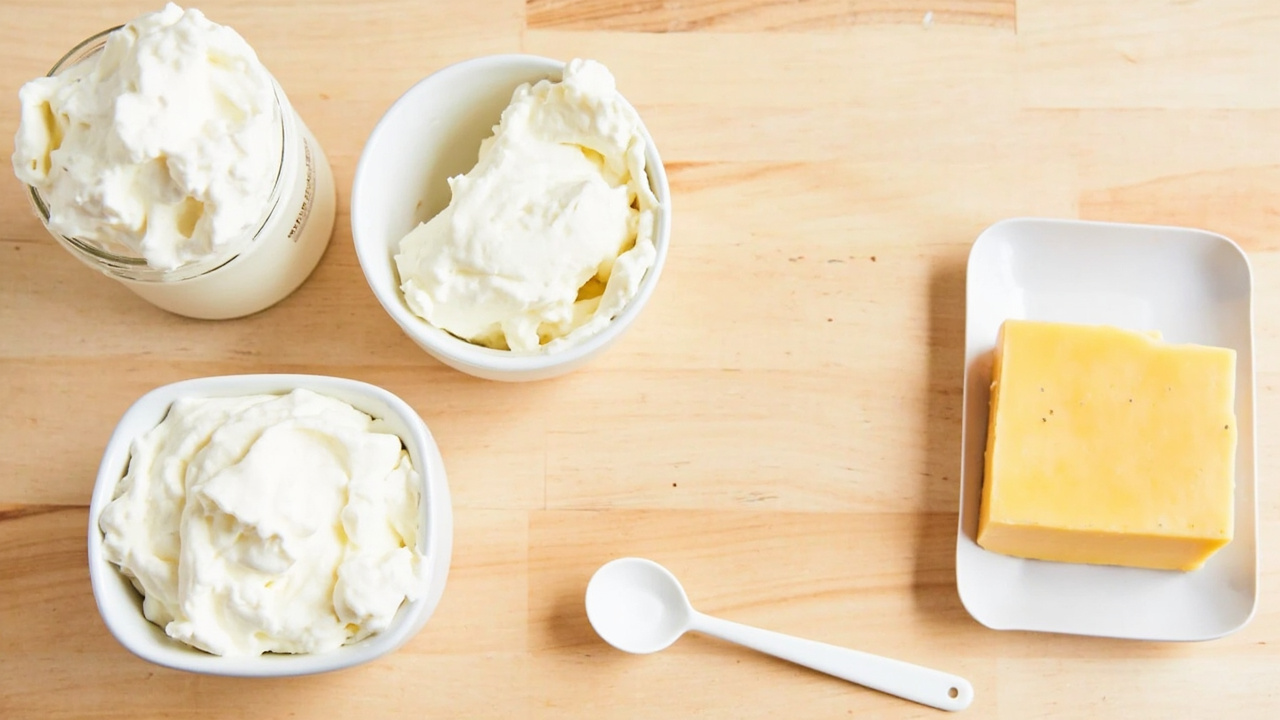
UK options: Rachel's Organic Plain Whole Milk Yogurt, Glenown Organic Plain Whole Milk Yogurt US options: Stonyfield Organic Plain Whole Milk Yogurt, siggi's Plain Whole Milk Yogurt
Amazon affiliate links: Stonyfield Organic Plain Yogurt on Amazon | siggi's Plain Yogurt on Amazon
Hard Cheeses
Hard cheeses like cheddar, mozzarella, Gouda, and mild parmesan are excellent first dairy foods because they:
- Contain minimal lactose (the fermentation and aging process reduces it significantly)
- Are rich in protein and calcium
- Have a texture that babies can gum and manage well from 6 months
- Are naturally lower in salt compared to soft cheeses
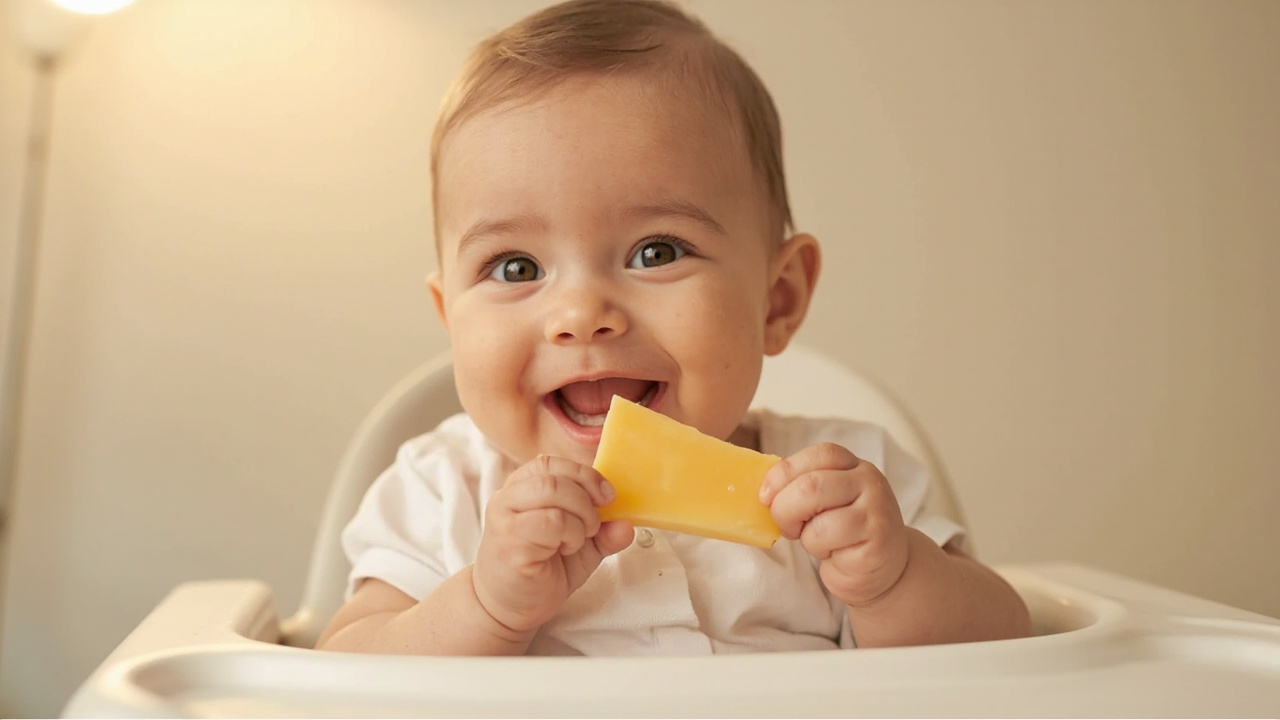
Start with small amounts — a matchbox-sized piece (approximately 15g) is plenty for a first serving. Grated cheese is easy to add to vegetables or pasta; a small strip of mozzarella can be offered as a finger food that babies can grip and self-feed with.
Avoid: Blue cheeses (such as stilton), which carry a risk of listeria, and any cheese with added herbs or flavourings that contain high levels of salt.
Amazon affiliate link: Organic Cheddar Cheese on Amazon
Cottage Cheese
Cottage cheese is a good intermediate texture option. It is higher in protein than most yogurts and can be offered in small spoonfuls. Choose full-fat varieties without added flavourings, and check for minimal ingredients on the label.
What About Butter and Cream?
Small amounts of butter — such as used in cooking vegetables or spread thinly on bread — are generally considered safe from 6 months. Heavy cream and double cream are very high in saturated fat and offer little additional nutritional value for babies; they are best avoided or used only occasionally in cooking.
Dairy Allergens and Baby Safety
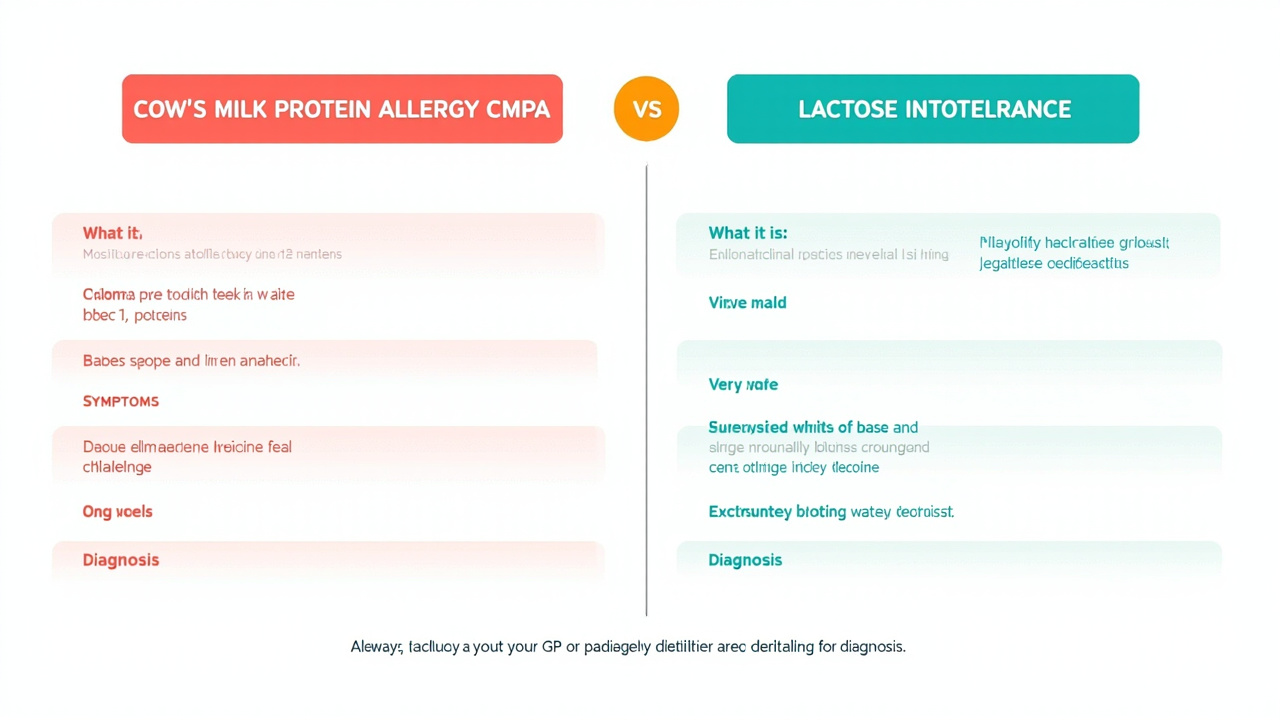
Cow's milk protein allergy (CMPA) is one of the most common food allergies in infants, affecting approximately 2–3% of babies under 12 months in developed countries. Understanding the difference between CMPA and lactose intolerance — which is genuinely rare in babies — is essential before you begin introducing dairy.
Cow's Milk Protein Allergy vs. Lactose Intolerance
| Cow's Milk Protein Allergy (CMPA) | Lactose Intolerance | |
|---|---|---|
| What it is | Immune system reaction to cow's milk proteins (casein or whey) | Inability to digest lactose (milk sugar) due to insufficient lactase enzyme |
| Age groups | Most common in babies under 12 months; many outgrow it by age 3–5 | Rare in babies; more common in older children and adults |
| Symptoms | Hives, vomiting, diarrhoea, eczema flare, wheezing, facial swelling | Bloating, wind, cramping, diarrhoea (digestive only) |
| Severity | Can range from mild to life-threatening (anaphylaxis) | Uncomfortable but not life-threatening |
| Diagnosis | Elimination and reintroduction challenge, supervised by a doctor or dietitian | Hydrogen breath test |
If your baby has moderate-to-severe eczema, a known food allergy, or a family history of atopic disease (asthma, eczema, hay fever, food allergies), speak to your GP or health visitor before introducing dairy. They may recommend introducing dairy under closer supervision or with a referral to a paediatric dietitian.
For a full breakdown of food allergy signs and management, see our guide to food allergies in babies.
How to Introduce Dairy: Step-by-Step
Introducing dairy follows the same general principle as introducing any new food: one new dairy food at a time, every 2–3 days, watching for a reaction.
Step 1: Choose the Right Moment
Introduce dairy when your baby is well, not during a period of illness, teething, or significant disruption to their routine. A calm weekend morning is ideal so you can monitor for reactions throughout the day.
Step 2: Offer a Small Amount First
Start with approximately one to two teaspoons of plain full-fat yogurt, or a matchbox-sized piece of hard cheese. Place it on a clean spoon and offer it to your baby — do not force it. If they push it out, try again another day. It can take multiple exposures before a baby accepts a new flavour or texture, and this is completely normal.

Step 3: Watch for Reactions Over 48 Hours
Most allergic reactions to cow's milk protein occur within minutes to a few hours of consumption. However, delayed reactions — particularly eczema flares or digestive symptoms — can appear up to 48 hours later. Keep a simple food diary during the introduction period, noting what was eaten and any symptoms observed.
Step 4: If No Reaction, Gradually Increase
If your baby tolerates the first dairy serving without issue, you can continue to include dairy in their diet regularly. You do not need to offer large amounts — one to two servings per day of age-appropriate dairy is sufficient as part of a balanced weaning diet.
Step 5: Move to the Next Dairy Food
Once you have confirmed tolerance to one dairy food (for example, yogurt), you can introduce another (such as cheese) after a 2–3 day gap. Continue this pattern until your baby has tried a range of dairy foods.
Signs of a Dairy Allergy vs. Lactose Intolerance
Immediate Signs of a Dairy Allergy (within minutes to 2 hours)
- Hives (raised, itchy red welts on the skin)
- Swelling of the lips, face, or tongue
- Vomiting
- Wheezing or difficulty breathing
- Signs of distress and apparent discomfort
If your baby shows signs of a severe allergic reaction (anaphylaxis), call emergency services immediately.
Delayed Signs of a Dairy Allergy or Intolerance (up to 48 hours later)
- Worsening eczema or skin redness, particularly around the face and joints
- Persistent vomiting or reflux that worsens after dairy intake
- Diarrhoea (sometimes with mucus or blood in stools)
- Constipation
- Bloating and excessive wind
- Failure to thrive (poor weight gain)
If you observe any of these symptoms, eliminate dairy from your baby's diet and see your GP. Do not reintroduce dairy until a healthcare professional has assessed your baby.
For more on recognising allergic reactions during weaning, see postpartumspot.com's guide to food allergies and breastfed babies — a useful resource for parents navigating allergy introduction alongside their health professional.
Dairy Foods to Avoid Before 12 Months
Not all dairy is appropriate for babies under 12 months. Here is what to avoid — and why.
Whole Cow's Milk as a Drink
As established above, whole cow's milk must not replace breast milk or formula as a main drink before 12 months. It can be used in small quantities in cooking.
Skimmed and Semi-Skimmed Milk
These have a reduced fat content and are not appropriate for babies under 24 months. The high protein and mineral content in skimmed milk can place strain on immature kidneys.
Flavoured Yogurts and Yogurt Drinks
Pouched yogurts, "baby" yogurts, and flavoured varieties frequently contain added sugars, fruit purees, and flavourings that are not appropriate for babies under 12 months. Always read the nutrition label. The NHS recommends avoiding added free sugars for children under 2, and the WHO recommends the same for the first 1,000 days of life.
Soft Cheeses with High Moisture Content
Brie, camembert, feta, and ricotta have higher moisture content and carry a higher risk of listeria contamination. They should be avoided in the first year unless fully cooked (such as on a pizza, heated to piping hot throughout).
Unpasteurised (Raw) Milk Dairy Products
Any dairy product made from unpasteurised milk is not appropriate for babies or young children due to the risk of listeria, E. coli, and other bacterial contamination.
Reading Dairy Labels for Baby Food
Even when a product does not obviously contain dairy, it may contain milk proteins. Under UK food labelling law (EU FIC 1169/2011) and US FDA requirements, milk and milk products must be declared in the ingredient list of all packaged foods.
Key Words to Look For
On ingredient lists, watch for:
- Milk, milk solids, milk proteins
- Casein, caseinate, whey, lactalbumin, lactoglobulin
- Lactose, lactose monohydrate
- Ghee (contains milk solids)
- Recaldent (derived from milk)
- Artificial butter flavour (may contain milk derivatives)
"May contain milk" warnings: These are voluntary precautionary allergen labels (also called "may contain" or "produced in a facility with milk"). They indicate potential cross-contamination during manufacturing. For babies with a diagnosed CMPA, consult your dietitian before eating products with these warnings.

Dairy-Free Labelling
Products labelled "dairy-free" or "non-dairy" are not necessarily safe for babies with CMPA. "Dairy-free" in food labelling typically means no milk fat (lactose-free), but the product may still contain milk proteins. Always check the full ingredient list.
Dairy Alternatives for Babies with CMPA
If your baby has a diagnosed cow's milk protein allergy, you will need to find alternative sources of the nutrients that dairy provides — particularly calcium, protein, vitamin B12, and iodine.
Fortified Plant Milks
After 12 months, if you wish to move away from formula, fortified unsweetened oat milk or calcium-enriched soy milk are among the more nutritionally appropriate alternatives. Avoid rice milk due to arsenic content in children under 5. Always choose products fortified with:
- Calcium (at least 120mg per 100ml)
- Vitamin B12
- Iodine (if possible)
Dairy-Free Yogurt Alternatives
Many unsweetened coconut, almond, and soy yogurts are available. Choose those with no added sugar and check for fortification with calcium and vitamin B12. Plain Koko coconut yogurt and Alpro plain soy yogurt are commonly available options.
Amazon affiliate links: Alpro Soya Plain Yogurt Alternative on Amazon | Koko Coconut Yogurt on Amazon
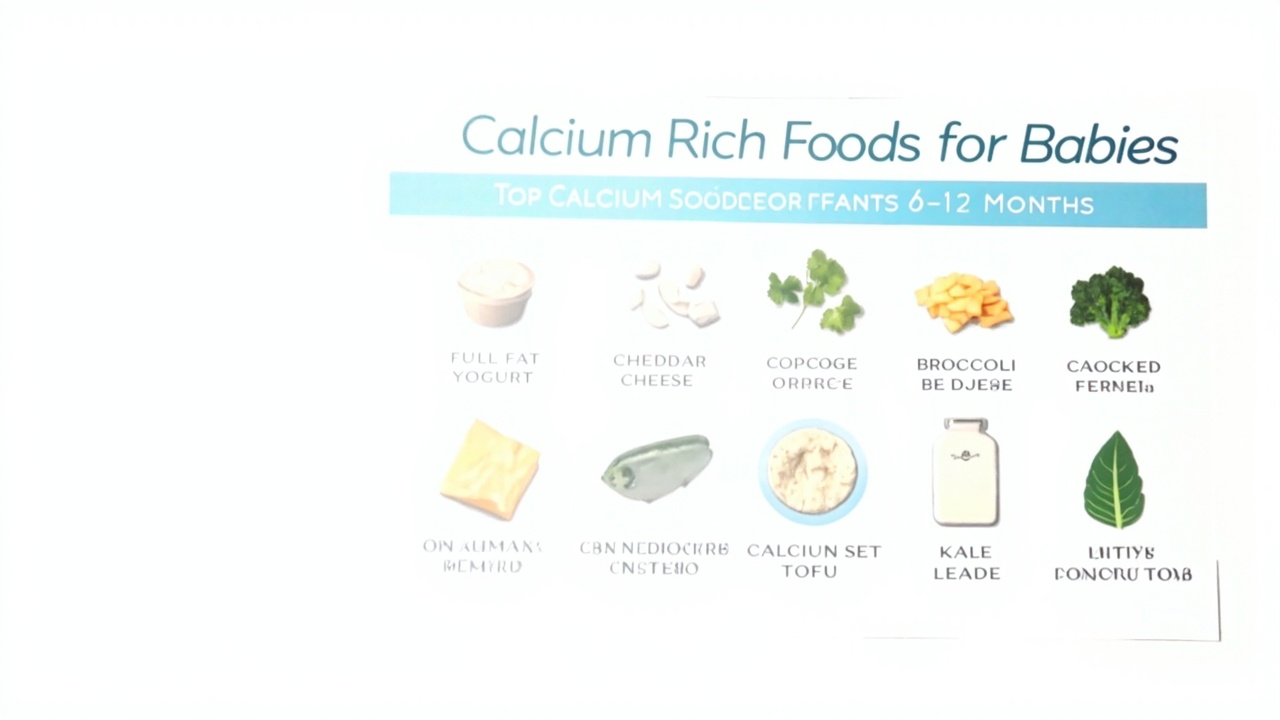
Calcium-Rich Foods Without Dairy
If dairy is entirely eliminated, prioritise these calcium sources in your baby's diet:
- Fortified breakfast cereals
- Tofu (calcium-set varieties — check the label)
- Canned sardines or salmon with bones (a fantastic calcium and omega-3 source)
- Dark leafy greens such as kale, pak choi, and broccoli — note that spinach and chard contain oxalates that inhibit calcium absorption
- Dried figs and apricots
Speak to your health visitor or GP about whether a calcium or B12 supplement is appropriate for your baby if dairy is being avoided for medical reasons.
Frequently Asked Questions
Can I give my baby goat's milk instead of cow's milk?
Goat's milk is not a suitable alternative for babies with CMPA because it shares the same whey and casein protein structures as cow's milk — approximately 85% cross-reactivity. Your baby is likely to react to goat's milk in the same way. If you need an alternative to standard formula, speak to your doctor about extensively hydrolysed or amino acid-based formulas.
My baby has eczema — should I avoid dairy?
Do not eliminate dairy from your baby's diet without medical guidance based on eczema alone. Eczema is common in babies and is not automatically indicative of CMPA. However, if your baby's eczema significantly worsens after consuming dairy, or if they show other allergic symptoms, see your GP for an assessment. Elimination diets in babies should only be undertaken with professional supervision to ensure nutritional adequacy.
When can I switch from formula to cow's milk?
After 12 months, your baby can begin using whole cow's milk as their main drink. This should be full-fat (whole) milk until at least 2 years of age. If your baby is still breastfeeding at 12 months, continued breastfeeding alongside cow's milk is also appropriate. Growing milks (formulated "toddler milks") are not necessary — the NHS advises that whole cow's milk is nutritionally sufficient for most children over 12 months.
How much dairy should a baby have per day?
From 6 to 12 months, one to two small servings of dairy foods per day is appropriate. A serving might be one to two tablespoons of yogurt or a matchbox-sized piece of cheese. After 12 months, the NHS recommends approximately 300ml (about a third of a litre) of whole milk per day as part of a varied diet. This is a general guide — it does not need to be strictly measured.
Can I use milk in purées and weaning recipes before 12 months?
Yes. Using whole milk as an ingredient in cooking — for example, in cauliflower cheese, béchamel sauce, creamy vegetable soups, or milk-added porridge — is safe from 6 months. It is only the quantity and context (as a main drink versus a food ingredient) that matters before 12 months.
What if my baby is formula-fed — does this affect when I introduce dairy?
Standard infant formulas are based on cow's milk protein. If your baby is already tolerating standard formula, they have effectively already been exposed to dairy protein, and introducing yogurt and cheese alongside their formula from 6 months is consistent with this exposure. If your baby is on a specialised formula (for example, for reflux or CMPA), speak to your health visitor or GP before introducing dairy.
Sources & Methodology
This article was written by Dr. Sarah Kim, Paediatric Dietitian, and reviewed against the following authoritative sources:
-
NHS (National Health Service UK) — Weaning: when to start, updated January 2025. www.nhs.uk/conditions/baby/weaning-and-vitamins/weaning-your-baby-vitamins/
-
American Academy of Pediatrics (AAP) — The Effects of Early Nutritional Interventions on the Development of Atopic Disease in Infants and Children, updated 2023. www.aap.org
-
Scientific Advisory Committee on Nutrition (SACN) & Committee on Toxicity (COT) — Assessing the Introduction of Gluten and Other Allergens for Infants and Young Children, Public Health England, 2023.
-
World Health Organization (WHO) — Global Strategy for Infant and Young Child Feeding, 2023 update. www.who.int
-
Journal of Allergy and Clinical Immunology — Du Toit, G. et al., "Early allergen introduction and the prevention of allergy," 2023. www.jacionline.org
-
Allergy UK — Cow's Milk Allergy: The Facts, reviewed 2024. www.allergyuk.org
-
NHS Start4Life / Public Health England — Weaning Guide, 2024 edition. www.nhs.uk/start4life
-
UK Food Standards Agency (FSA) — Precautionary Allergen Labelling Guidance, 2023. www.food.gov.uk
Author: Dr. Sarah Kim Paediatric Dietitian, UK-registered (HCPC)
Dr. Sarah Kim has worked as a paediatric dietitian in NHS and private practice settings for over 15 years, specialising in infant and child nutrition, food allergy management, and weaning support. She holds an MSc in Nutrition for Child Health from University College London and has contributed to NICE guidelines on food allergy in children. She is a mother of three and a firm believer that feeding babies does not need to be stressful.
This article is for informational purposes only and does not constitute medical advice. Always consult your health visitor, GP, or a registered dietitian for personalised guidance on your baby's nutrition.